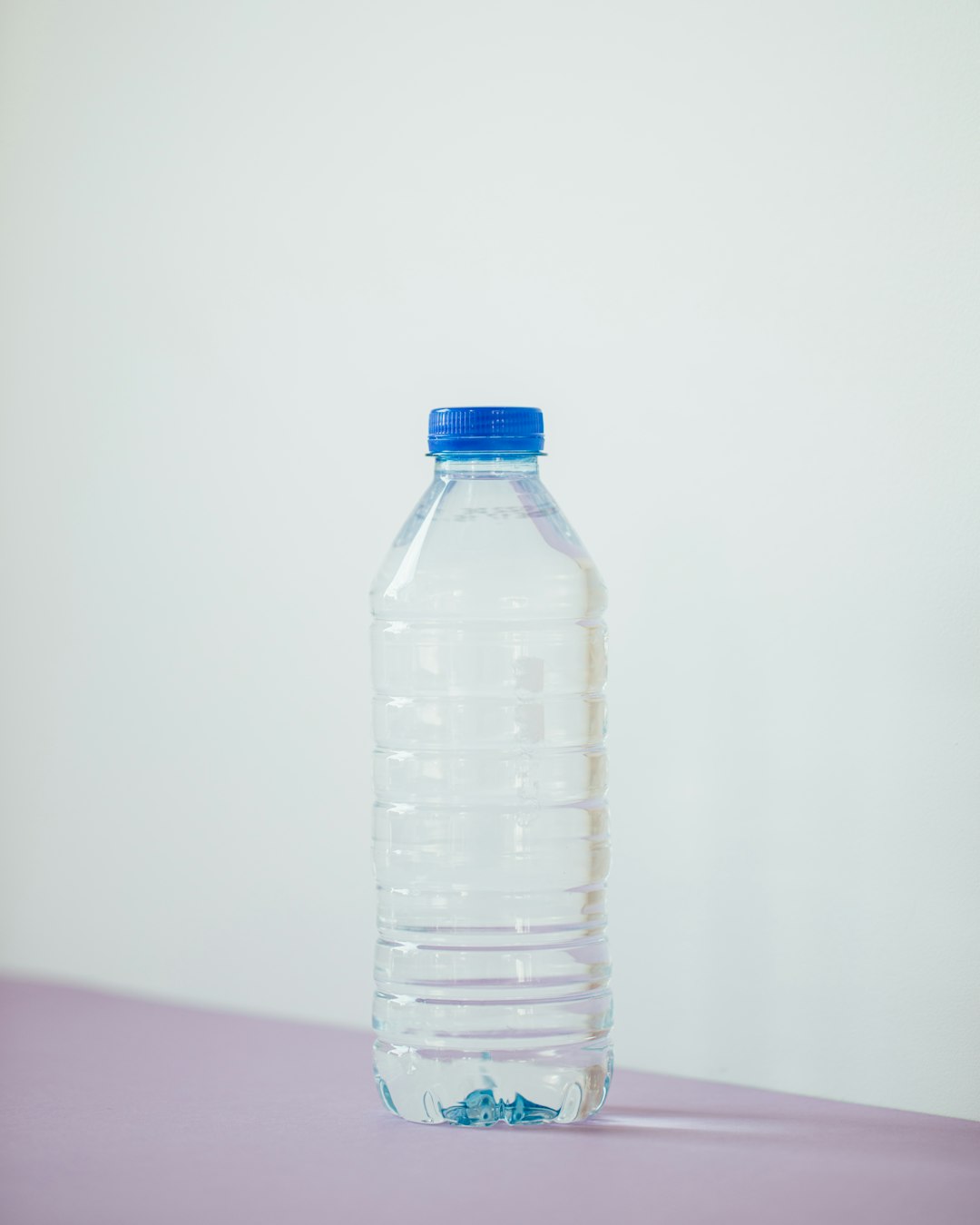

A second myth is that squeezing automatically makes every pour precise. Reality depends on calibration, which means comparing the bottle’s markings with a known volume and understanding how those markings were established. A squeeze and pour measuring bottle may support consistent work, but users still need to read the liquid level at eye height and avoid filling beyond the intended mark. Graduations are reference lines, not a promise that every drop will leave the container at exactly the same rate. Careful handling turns a helpful tool into a dependable part of a process.
The meniscus is another technical idea often misunderstood. Liquids curve slightly where their surface meets the air, and that curved edge can make a reading appear higher or lower than it is. For many water-like liquids, the lowest part of the curve is the useful reading point when viewed at eye level. Tilting the bottle or reading from above introduces parallax, an apparent position shift caused by viewing angle. A worker portioning cleaning solution, for example, can reduce variation by placing the bottle on a level surface, waiting for the liquid to settle, and aligning the correct part of the meniscus with the graduation.
The myth that all liquids behave alike can also lead to poor results. Viscosity describes how readily a liquid flows. Water moves quickly, while syrup, oil, and some concentrated solutions move more slowly and may cling to the interior. Surface tension can also cause a liquid to bead or form a lingering stream at the opening. In a bakery, a squeeze bottle may dispense a thin glaze smoothly but require slower pressure for a thick sauce. Allowing the flow to stabilize before releasing pressure helps prevent sudden surges, while a suitable opening size supports better control.
Durability is often confused with rigidity. A bottle does not need to be hard and inflexible to withstand routine use. Material thickness, closure design, resistance to the liquid, and cleaning method all affect service life. The practical question is whether the container remains stable during repeated squeezing, keeps its shape, and seals securely between uses. An operator transferring a measured detergent solution may value chemical compatibility more than softness, while someone dispensing food ingredients may prioritize easy cleaning and odor resistance. Checking those conditions is more useful than judging construction by feel alone.
Comfort is not merely a pleasant extra. Repeated hand pressure can create fatigue, especially when workers dispense dozens of portions during a shift. A well-shaped bottle allows the hand to compress it without excessive force, and a controlled nozzle can reduce the need for abrupt movements. Ergonomics, the study of fitting tools to human use, also includes grip size, balance, reach, and release action. For example, a technician working over a narrow container benefits from a predictable stream that stops quickly, since less wrist correction is needed and the risk of splashing is reduced.
The final myth is that a measuring bottle eliminates the need for process discipline. Reality is more useful: it can make a disciplined process easier to repeat. Store the bottle upright when appropriate, inspect the cap and opening for residue, and confirm that markings remain legible after cleaning. Do not assume a bottle is suitable for hot, reactive, or unusually thick liquids without checking its intended compatibility. For teams comparing container options, custom measuring solutions may help frame questions about capacity, readability, pouring control, and durability. The right choice is the one that matches the liquid, task, user, and required consistency.