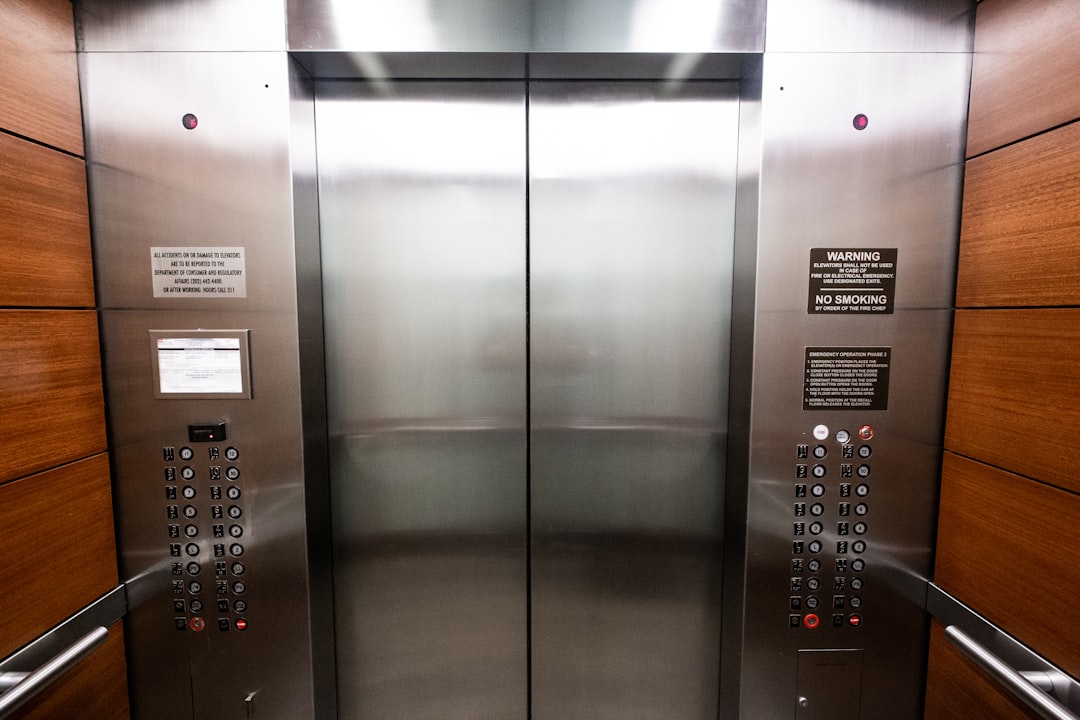

Load capacity is a critical consideration when selecting a car elevator. Commercial models typically handle between 5,000 and 10,000 pounds. This range covers most passenger cars, SUVs, and light trucks, but you’ll want to check the specs carefully if your inventory includes heavier vehicles. Overloading an elevator isn’t just dangerous, it can cause costly downtime and repairs. A common mistake is assuming all elevators have similar limits, so reviewing weight ratings against your fleet is a must.
The drive mechanism also affects performance and upkeep. Hydraulic elevators provide smooth rides and are proven reliable but often need more frequent maintenance, such as oil changes and seal checks. Electric chain drives usually consume less power and have lower ongoing costs, but they might produce more noise. Some businesses find electric models better suited for continuous use because of these savings. It’s wise to factor in your facility’s maintenance capabilities and noise tolerance before deciding.
In high-end residential parking garages, car elevators improve user experience by speeding vehicle handling and maximizing space. Residents appreciate quick access without navigating tight ramps. Installing one can increase property appeal by showing thoughtful design that values efficiency and convenience. However, integrating this technology requires precise measurements and coordination with architects to avoid structural conflicts. In one case, a parking garage operator avoided delays by ordering blueprints with elevator specs well before construction began.
Safety features are non-negotiable. Look for emergency stop mechanisms, overload detectors, and automatic leveling controls that keep the platform flush with the floor. These safeguards protect drivers and technicians from mishaps that could damage vehicles or injure people. Skipping on these can lead to accidents and liability issues, which are expensive in both money and reputation. Regular safety drills and operator training should accompany the equipment to ensure everyone knows how to respond if something goes wrong.
Installing a car elevator can be complex. It often requires cutting into existing structures or reinforcing foundations to bear heavy loads safely. Installation timelines vary but plan for several weeks at minimum, especially if permits and inspections are involved. Once installed, regular service visits help catch wear early, things like cable tension or hydraulic fluid levels can degrade quietly until failure occurs. Establishing a maintenance schedule with your provider prevents unexpected breakdowns and keeps you compliant with local safety rules.
If you’re looking into options in Chicago, local building codes will influence your choices. Requirements might cover fire safety features, elevator enclosure types, or specific electrical standards. Consulting with service providers familiar with city regulations can save headaches later on. They can guide you through paperwork and inspections needed to get approvals without costly revisions. For example, some car elevator chicago systems must meet stricter seismic standards than elsewhere.
Finally, consider how a car elevator fits your workflow. Some businesses install them near loading docks for quick transfers, while others place them centrally to serve multiple floors evenly. Optimal placement reduces vehicle congestion during busy periods. Also, check if your team has clear communication protocols for operating the lift safely, misunderstandings about when a car is fully secured have caused avoidable delays. Small practices like double-checking platform clearance before moving save time and prevent damage.
For more detailed information on car elevator chicago options, visit car elevator chicago. If you want assistance with building code compliance or ongoing maintenance, check out .