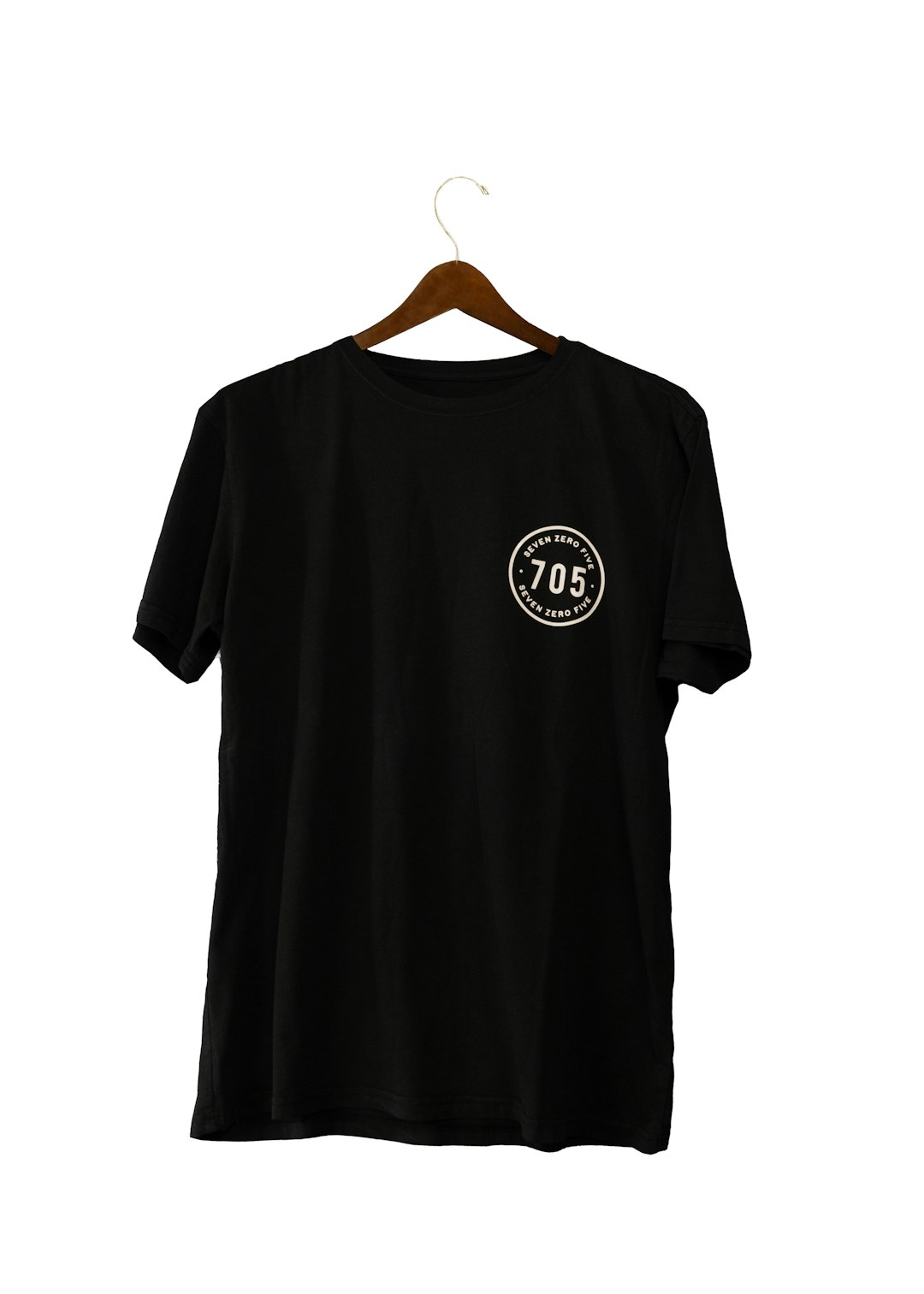
Walking the busy streets of Singapore, it’s common to spot groups sporting matching custom t-shirts for events or promotions. Behind those coordinated looks, though, lies a series of decisions and hurdles for anyone trying to produce unique apparel. Finding a printer that balances quality, speed, and cost is harder than expected. Fabric choice alone can derail a project if it doesn’t suit the printing method or final use. Then there’s picking a printing technique that matches the design’s complexity and budget.
Silkscreen printing remains a go-to for large orders due to its durability and vibrant colors. It requires making separate stencils for each color, which adds setup time and cost, so it’s not well suited for designs with many shades or fine details. Businesses often face surprises when their intricate logos lose clarity with this method. A common mistake is not providing high-resolution artwork early on, causing delays or disappointing prints.
Dye sublimation offers bright, long-lasting colors by infusing dye into polyester fabrics with heat. It’s ideal for sportswear and promotional items but comes with a higher price tag for small orders. Because it only works well on polyester, it limits fabric options and can catch businesses off guard when they want cotton shirts. Checking fabric compatibility before ordering is a must to avoid wasted funds.
Embroidery adds texture and a professional feel through stitched designs. It’s perfect for crisp logos on uniforms but struggles with detailed or photo-like imagery. Some clients expect embroidery to capture every tiny element, which isn’t realistic, leading to frustration. A practical habit is requesting sample patches before committing to large runs to ensure the stitching meets expectations.
Direct to Garment (DTG) printing has gained popularity for its ability to handle complex, multi-colored designs on demand. Using inkjet technology, it prints directly onto fabric with minimal setup, making it a flexible choice for startups or artists testing new ideas. However, DTG inks can fade faster with frequent washing unless proper garment pretreatment is applied, a step sometimes overlooked by first-timers.
Digital heat transfer involves printing designs onto special paper and then pressing them onto fabric with heat and pressure. It works well for colorful graphics and quick turnarounds but often falls short in durability compared to silkscreen or embroidery. Users often don’t realize the transfers can crack or peel over time unless heat pressing is done precisely and consistently.
Vinyl printing cuts shapes from colored vinyl sheets and presses them onto shirts, excelling in simple text or block designs. Small businesses appreciate its quick production and vibrant finish. Still, it’s limiting for detailed images and can feel stiff on fabric. A frequent issue is inadequate pressure during pressing, which causes peeling; experienced printers double-check press settings every batch to prevent this.
In Singapore’s competitive market, understanding these methods helps businesses make smarter choices tailored to their needs. For example, event organizers should confirm turnaround times and proof approvals upfront to avoid last-minute issues. Reading supplier reviews and requesting physical samples helps prevent surprises. For those interested in exploring options further, custom t shirt singapore offers services that balance quality and budget.
Starting your custom apparel journey means working with printers who know the quirks of each technique and communicate clearly about limitations. Clear instructions on artwork preparation and realistic expectations about colors or design detail save time and money. For more detailed explanations of printing methods, visit custom apparel printing tips.