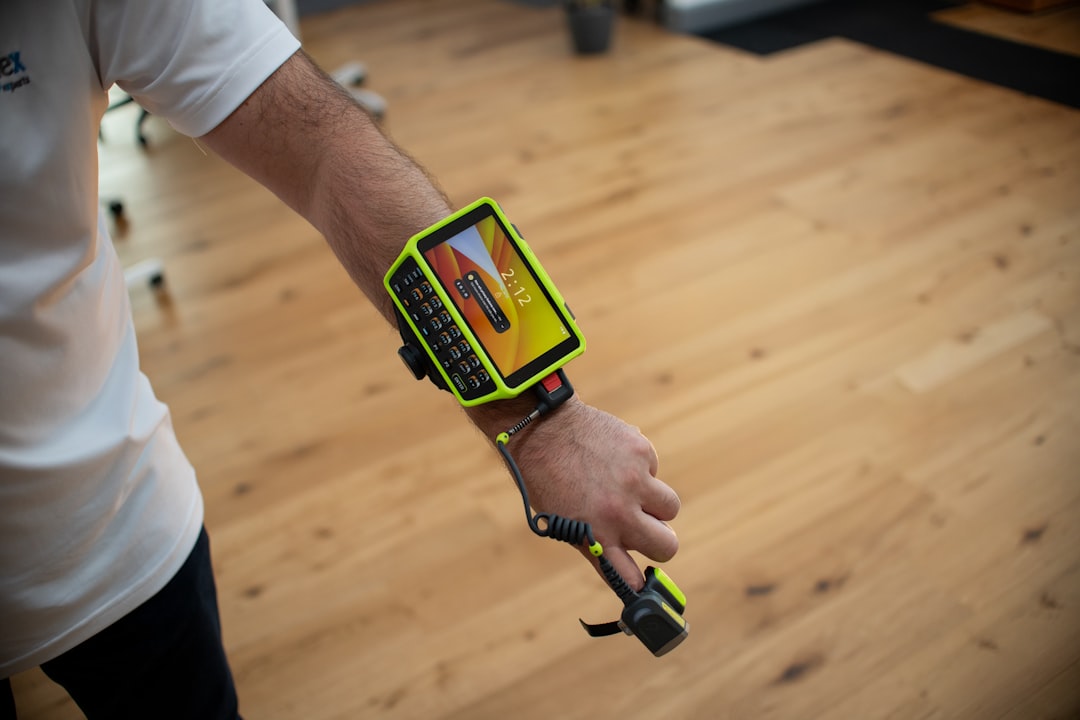
In a hospital setting, speed and accuracy can make a difference between safe care and costly mistakes. Nurses juggling multiple prescriptions rely on datamatrix readers to scan medication barcodes swiftly. This reduces the risk of manual entry errors and keeps patient records accurate. Staff often double-check scanned data against patient charts to catch any mismatches before administering drugs. These readers help hospitals maintain safety standards without slowing down the hectic pace of medication rounds.
Factories churning out thousands of components daily face their own challenges. Tracking inventory by hand wastes valuable production time and invites errors. Integrating datamatrix readers with inventory software gives instant updates on stock levels and shipment status. Warehouse workers typically scan items before they leave the floor, preventing misplaced parts and shipment delays. This automation frees employees to focus on assembly lines rather than paperwork, improving overall factory efficiency.
Datamatrix readers don’t just handle one type of barcode. They can read QR codes, traditional barcodes, and other formats, meaning businesses avoid buying multiple scanners for different tasks. Many modern readers offer wireless connectivity, allowing workers to scan items across large spaces without being tethered to a terminal. This flexibility is especially useful in retail or warehouse environments where mobility speeds up daily operations.
Retail businesses benefit significantly from faster scanning technology. Quicker checkouts reduce long lines and improve customer satisfaction. Some stores use self-service kiosks with barcode scanners, letting shoppers scan and pay for items themselves. This not only cuts down on staffing needs but also lets customers control their shopping pace. Cashiers appreciate scanners that can capture damaged or partially obscured codes, as rescanning can slow down busy checkout counters.
The DT-90F single tube reader is a good example of practical design meeting real-world needs. It scans quickly and reliably while remaining lightweight, which helps employees who scan continuously throughout their shifts avoid fatigue. In busy retail settings or hospitals, the ability to handle rapid scanning without error is essential. Similarly, the DT-80 self-service POS kiosk scanner is built with user experience in mind, simplifying the checkout process for customers who prefer self-service.
Choosing the right datamatrix reader depends heavily on your business’s specific requirements. Consider how fast the scanner reads codes, whether it works smoothly with your current systems, and how easily it integrates into your workflow. Some devices offer programmable buttons for custom functions, which reduce training time for staff. Also, check if the reader can withstand drops or exposure to dust if used in harsh environments.
For detailed options and technical specifications, visit datamatrix reader resources online. Being aware of the trade-offs between price and features helps avoid surprises down the line. Some cheaper models may lack durability or advanced decoding capabilities, leading to more frequent replacements or scanning errors.
Businesses adopting datamatrix readers often report smoother operations across departments. From hospitals ensuring correct medication delivery to retailers speeding up transactions, these devices help cut mistakes and save time. Staff get used to checking scans against order sheets or packing lists for an extra layer of verification, reducing miscommunication during busy shifts. Small habits like verifying scanned codes against item descriptions also prevent rework, making workflows more reliable.
Explore practical barcode scanning options that fit your day-to-day demands by visiting barcode scanning devices for business. Understanding how different models perform in real environments allows you to invest wisely and equip your team with tools that get the job done.