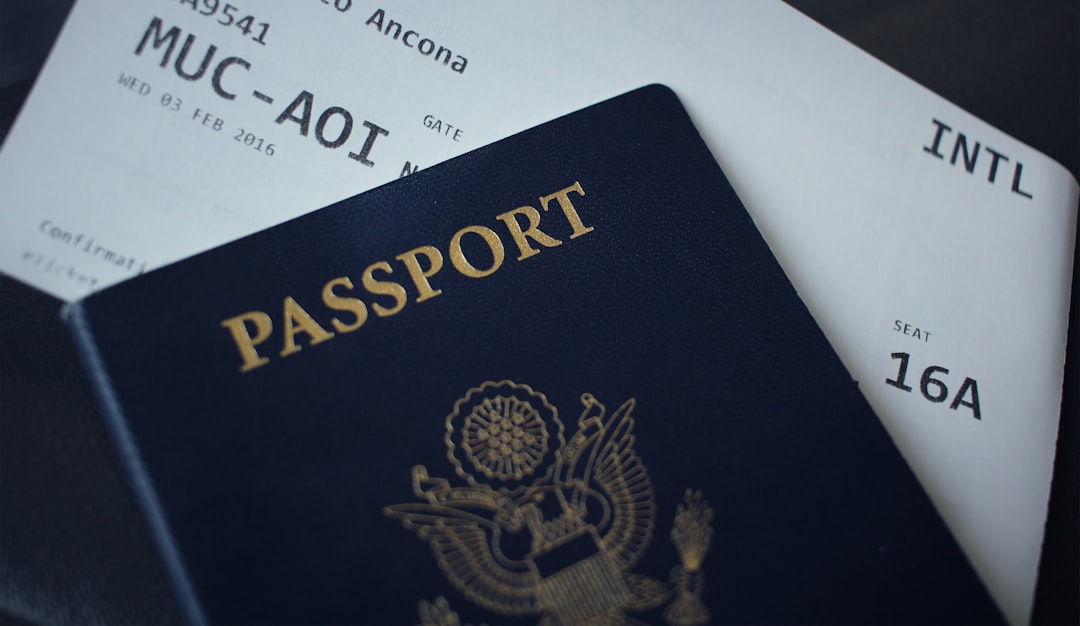
The European Travel Information and Authorisation System (ETIAS) is an upcoming travel requirement for nationals of visa-exempt countries who wish to enter the Schengen Area. Set to be implemented in 2025, ETIAS aims to strengthen border security while maintaining ease of travel for tourists and short-term visitors. This new system will require travellers to complete an online application and receive authorisation before their trip, which will then be electronically linked to their passport.
The ETIAS application process is designed to be straightforward and efficient. Applicants will need to provide personal information, travel details, and answer a series of security-related questions. The system will automatically cross-reference the data with various security databases, such as Interpol and Europol, to assess any potential risks. Most applications are expected to be approved within minutes. However, in cases where additional checks are necessary, processing could take up to 30 days.
The authorisation will be valid for three years or until the passport used in the application expires, whichever comes first. It will allow multiple entries into the Schengen Area for stays of up to 90 days within any 180-day period. Travellers are advised to apply for ETIAS well in advance of their planned journey to avoid any last-minute complications.
This system is targeted at citizens of over 60 countries who currently enjoy visa-free access to the Schengen Zone. British citizens, post-Brexit, will need an ETIAS authorisation to travel to countries within the Schengen Area. It is important to note that ETIAS is not a visa; rather, it is an electronic travel authorisation similar to the U.S. ESTA system. The goal is to enhance security without imposing the more rigid requirements associated with traditional visas.
Applying for ETIAS involves a small fee, and the process is conducted entirely online. Applicants will need to ensure that their passport is valid for at least three months beyond their intended stay. The form will include questions about previous travel, criminal records, and any connections to high-risk areas. While most individuals will not encounter any issues, those with certain backgrounds may be flagged for further review.
For those unfamiliar with the process or uncertain about eligibility, resources such as etias application support can provide guidance. These services help applicants navigate the system, ensure that all necessary information is accurately submitted, and address any concerns that may arise during the approval process.
One of the key advantages of ETIAS is its ability to streamline border management while upholding public safety. By pre-screening travellers before they arrive, European authorities aim to identify potential threats and reduce bottlenecks at entry points. This proactive approach is expected to benefit both security personnel and travellers by fostering a more organised and predictable entry process.
In addition to enhancing safety, ETIAS also facilitates better data collection and analysis. Authorities will have access to valuable information on who is entering the Schengen Zone, helping them respond more effectively to emerging threats or patterns. The system also allows for greater cooperation among EU member states, as shared data will contribute to a more unified approach to border control.
Frequent travellers should keep in mind that ETIAS does not replace other requirements that may be necessary for work, study, or long-term stays. Depending on the purpose of the visit, additional documentation or a visa may still be required. It is crucial for individuals to verify the specific entry rules for their destination country before making travel plans.
Those who find the system confusing or want to ensure a smooth application experience can benefit from expert advice available through Schengen travel guidance. These resources are particularly useful for individuals with complex travel histories or dual citizenships, as they can help clarify eligibility and streamline the application process.
Ultimately, ETIAS represents a significant shift in how Europe manages its external borders. While the application process is relatively simple, understanding its requirements and implications is vital for anyone planning to visit the Schengen Area. By preparing in advance and using the available support tools, travellers can ensure they meet all the necessary conditions and enjoy a hassle-free journey.