A nonprofit ready to start a community health project often faces a tough reality: grant applications are confusing and deadlines unforgiving. Staff get buried in paperwork, unsure which funders align with their goals or how to meet compliance rules. This is where grant management consulting steps in. Experienced consultants guide organizations through the process, helping them focus on what matters most while avoiding common pitfalls like missing key submission details or misinterpreting eligibility criteria.
Writing a grant isn’t just about completing forms; it demands a solid grasp of the project’s purpose and the funder’s priorities. A strong proposal tells a clear story, showing exactly how the initiative fits the funder’s mission and what outcomes to expect. For instance, describing measurable objectives and providing budget justifications that match those goals can make a big difference. Consultants often advise clients to draft narratives that highlight impact potential and include supporting data, rather than generic descriptions. Such precision helps proposals stand out from the dozens that often flood funding bodies.
Securing a grant is just the start. Good grant management means carefully tracking how funds are spent and making sure progress is on target. This involves keeping detailed records of expenses, preparing regular reports for funders, and conducting evaluations at different stages. For example, an educational charity might set up monthly financial reviews and quarterly impact assessments to catch issues early. These practical steps not only satisfy reporting requirements but also help organizations adjust programs if needed. Consultants emphasize creating simple but effective tracking systems to avoid last-minute scrambles when reports are due.
Clear communication throughout the project is as important as managing money. Sharing results with stakeholders builds confidence and can open doors for future funding. Writing newsletters, hosting community meetings, or posting updates online are common ways to keep everyone informed. Transparency about challenges faced and lessons learned fosters credibility. Consultants often coach nonprofits on how to present successes in a straightforward way without overstating achievements, ensuring trust remains intact.
Applying for grants in regions like the UK or Europe adds layers of complexity, with each area having distinct funding bodies and rules. Local regulations might require specific documentation or different reporting formats. Tailored consulting helps organizations understand these nuances. For example, a UK funder might ask for detailed sustainability plans, while a European grant could focus heavily on partnership roles. Knowing these differences helps avoid wasted effort or rejected applications because of overlooked instructions.
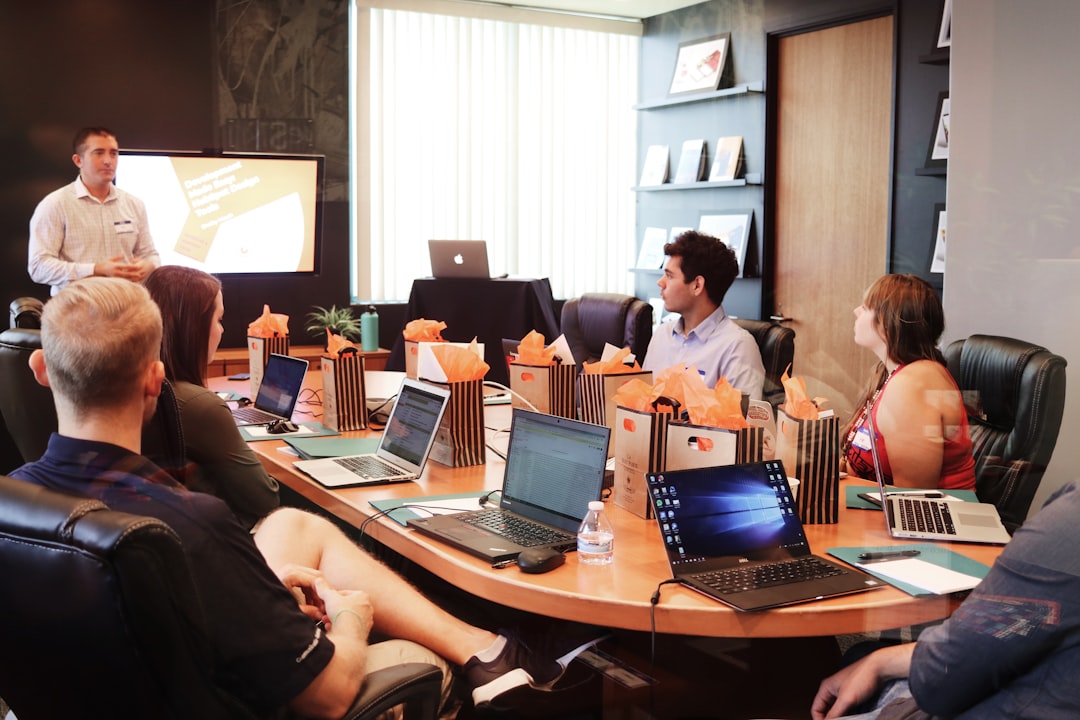
Training staff involved in grant processes pays off handsomely. Workshops on writing techniques, compliance updates, and evaluation methods build internal capacity and reduce reliance on external help over time. A common practice is role-playing application reviews or setting up mock audits to expose gaps before they cause problems. This hands-on approach makes teams more confident and less likely to repeat mistakes like missing deadlines or submitting incomplete budgets.
Successful grant management consulting combines sharp writing skills with disciplined project oversight and honest communication. Organizations that invest in these areas increase their chances of securing and maintaining funding. By working with experts in grant management consulting, nonprofits gain access to practical tools and real-world advice tailored to their missions.
If your organization is preparing to apply for funding or wants to improve existing processes, professional guidance can save time and reduce stress during critical periods. Whether you need help refining proposal narratives or setting up financial controls, reaching out for support makes a tangible difference. For additional tips on building solid grant strategies, you can improve fundraising outcomes through useful resources and insights.