
Without that knowledge, they risk shipment rejections or damaged reputation. Marketing needs a similar custom approach. A software company launching in Europe copied its North American ads verbatim but quickly learned cultural differences changed how people reacted. Something as simple as phrasing or colors can influence trust and engagement. Adjusting messaging to fit local tastes usually produces better results. Logistics is another area where surprises happen. Import tariffs, preferred shipping routes, and customs paperwork can all affect costs and timing.
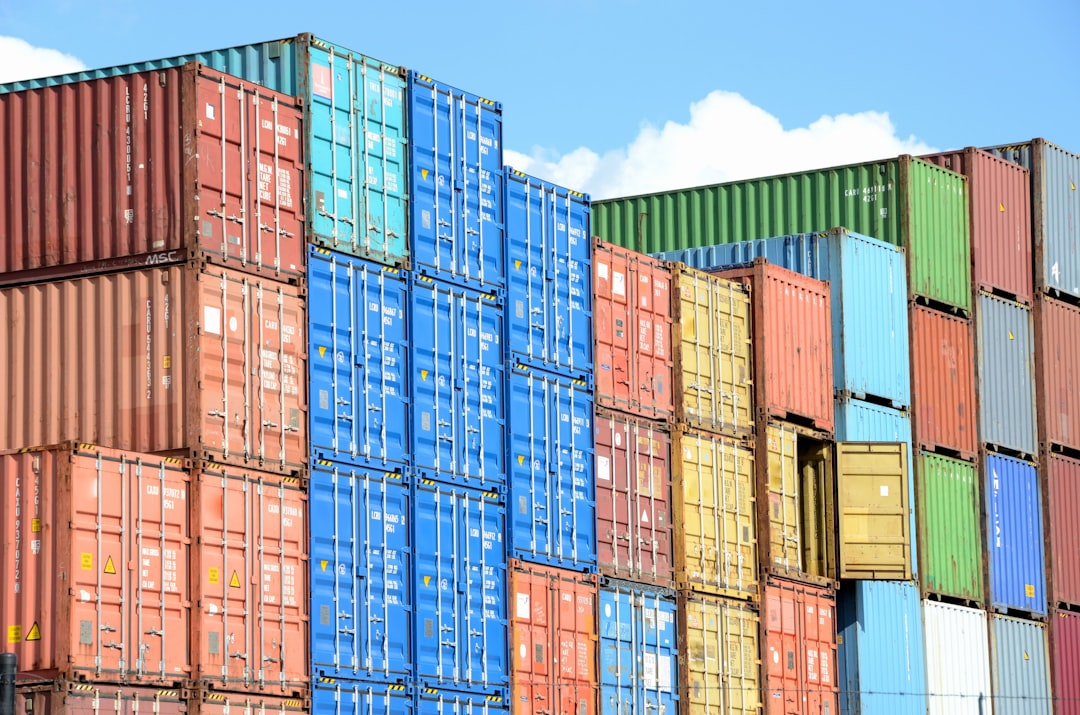
One exporter failed to check if their container met destination standards and faced weeks of delay and extra fees. Working with freight professionals and double-checking documentation helps avoid these traps. Local distributors also matter more than many realize. A trusted partner who knows the market and has established contacts can smooth out hurdles, provide insights on pricing, and open doors to exclusive sales channels. Building these relationships takes time but pays off by reducing friction. Exporters should also think about exit strategies early.
Preparing to sell a business means showing consistent export performance and stable international income streams, which attract buyers looking for reliable growth. For practical advice on refining your export tactics, see Export Market Development. They offer targeted guidance suited to different industries and challenges. Expanding overseas demands attention to detail at every step. From researching markets and tweaking your marketing, to sorting transport issues and partnering locally, careful planning cuts risk. If you want help with foreign trade compliance and regulations, check out . Real success comes from preparation and adapting to each new environment rather than rushing headlong into unfamiliar territory.