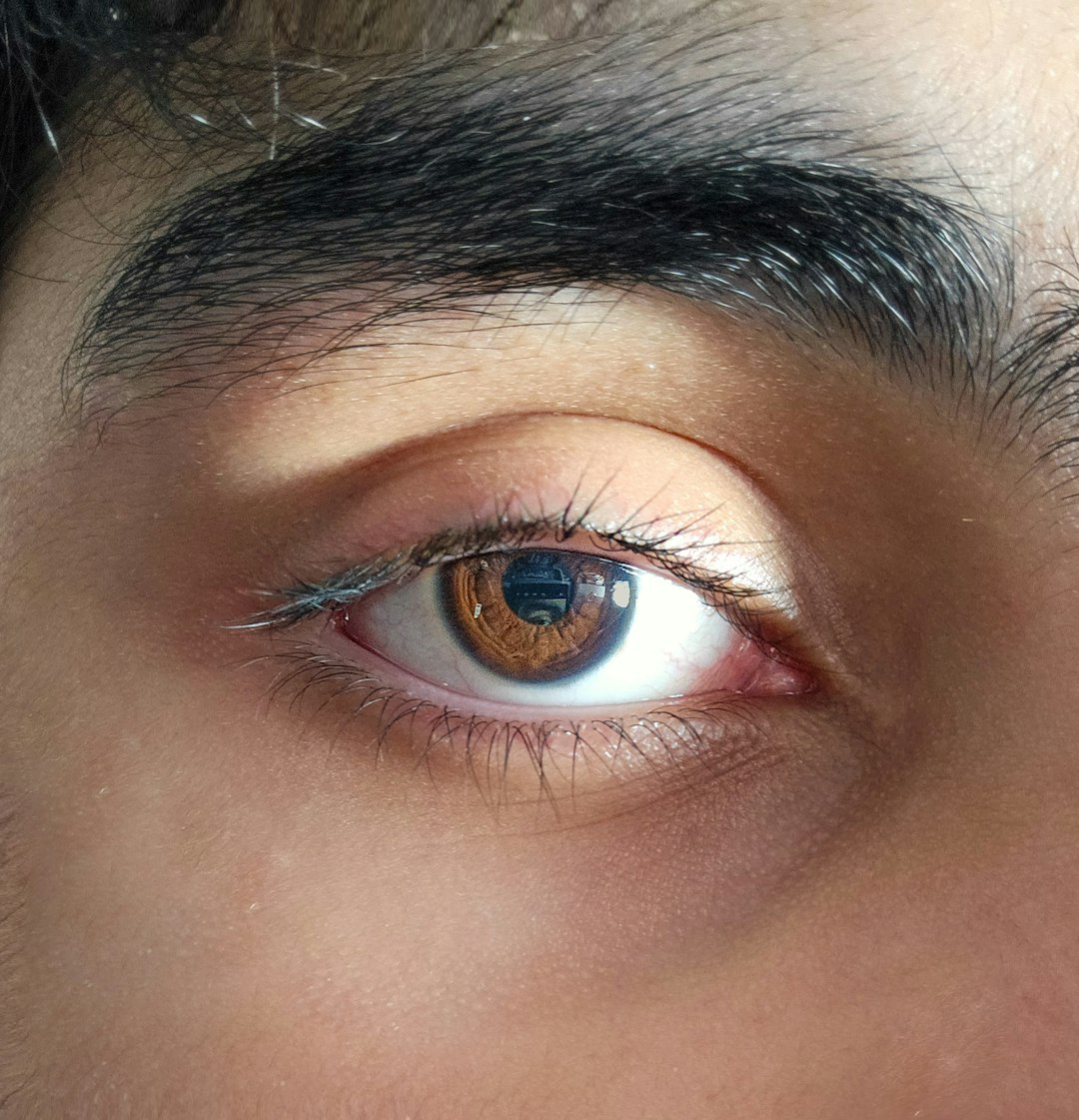
Dry eyes are a common condition that can cause discomfort, irritation and even vision issues if left untreated. Whether triggered by environmental factors, prolonged screen time, or underlying health conditions, dry eyes disrupt the natural balance of moisture on the surface of the eye. For many individuals, this means dealing with symptoms like burning, stinging, redness and a feeling of grittiness. In severe cases, it can interfere with daily tasks such as reading, driving or working on a computer. Thankfully, dry eye drops offer an accessible and effective method of restoring comfort and protecting ocular health.
The tear film that coats the eye plays an essential role in maintaining clarity of vision and overall eye health. It is composed of three layers: an oily layer that prevents evaporation, a watery layer that hydrates, and a mucous layer that helps spread tears evenly. Disruption to any of these layers can lead to dry eye symptoms. This is where eye drops come in, helping to support or replace the natural tear film, depending on their formulation.
There are various types of dry eye drops available, each designed to target specific underlying causes. Some are formulated to provide immediate relief by lubricating the eye surface, while others are intended for long-term use and may contain ingredients that help reduce inflammation or encourage natural tear production. Choosing the right drop depends on the nature and severity of the symptoms, as well as any contributing factors such as age, medications, or environmental exposure.
For people who spend hours in front of digital screens, dry eyes have become increasingly common. The reduced blink rate associated with prolonged screen use means our eyes are not being replenished with tears as frequently. Lubricating drops can help maintain moisture and reduce the irritations associated with screen-induced dryness. Those who wear contact lenses might also experience dryness, especially if lenses are worn for extended periods. In these cases, preservative-free options are often recommended to avoid further irritation.
Dry eye drops can also play a supportive role in managing chronic conditions such as blepharitis or meibomian gland dysfunction, where the quality of the tear film is compromised. In such cases, drops that mimic the natural tear composition or contain lipid-enhancing agents can provide more sustained relief. You can find a range of dry eye drops that cater to different needs and sensitivities, making it easier to integrate them into a daily routine.
It’s important to understand that not all eye drops are created equal. Some contain preservatives to extend shelf life, which can be irritating to sensitive eyes if used frequently. Others are preservative-free, packaged in single-use vials or designed with special dispensers to maintain sterility. Consulting an eye care professional can help identify which type is most suitable for your particular condition, especially if symptoms persist or worsen over time.
Environmental factors such as air conditioning, heating, wind and pollution can also exacerbate dry eye symptoms. In such cases, using drops before exposure can provide a protective barrier, while regular application throughout the day can help maintain consistent comfort. Simple lifestyle modifications, such as using a humidifier at home or taking regular breaks from screen work, can also complement the use of eye drops for better overall results.
For those with more complex or persistent symptoms, it may be necessary to use a combination of treatments, including warm compresses, lid hygiene, and nutritional supplements like omega-3 fatty acids. Eye drops, however, often remain the cornerstone of therapy, especially when tailored to the individual’s specific needs. Staying informed about the types of products available and how they work can make a significant difference in managing eye discomfort effectively.
To explore options that suit your lifestyle and symptoms, you may want to look into eye care solutions for dry eyes, where tailored approaches are available. With proper usage and guidance, dry eye drops can provide dependable relief, improve quality of life, and support long-term ocular health.