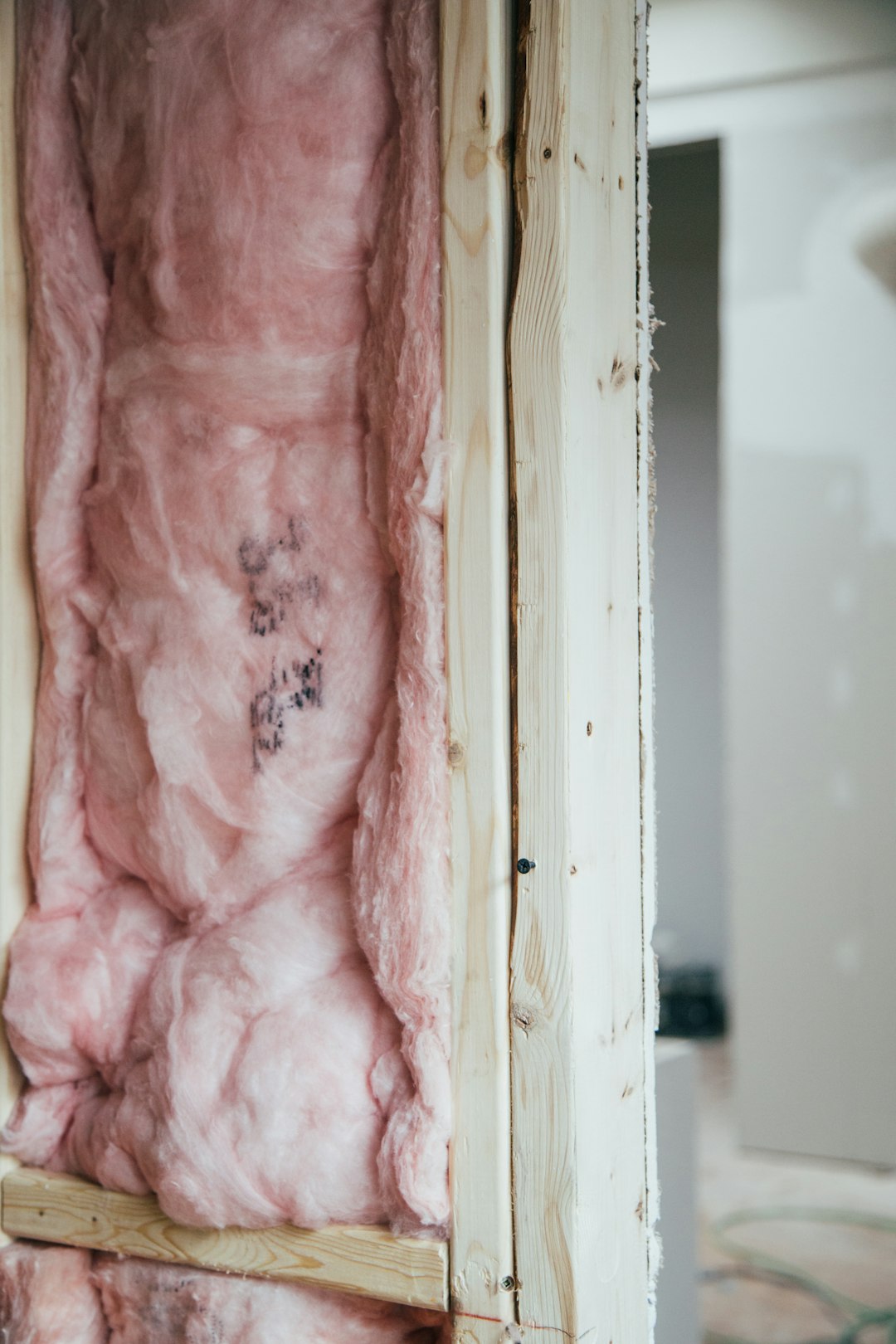

Loft insulation works by trapping air within its fibers or foam structure, creating a barrier that reduces heat escaping in cold months and keeps heat out when it’s warm. You’ll often see mineral wool, foam boards, or cellulose used. Mineral wool stands out for its fire resistance and sound absorption, which can be handy if noise is an issue at your site. Foam boards are thinner but pack a strong insulating punch, useful when space is tight.
Working with professional loft insulation fitters has clear advantages. They know the local building codes and safety rules to avoid common pitfalls, like blocking ventilation paths or leaving gaps that let heat slip through. DIY jobs sometimes miss these details, which can cause moisture buildup and damage over time. Still, the upfront cost of hiring experts can put some off. But the savings you make on energy bills and the comfort boost usually cover that initial spend.
Older commercial properties often suffer from outdated or inadequate insulation. A skilled fitter will inspect the existing setup and might suggest adding layers or switching materials to boost efficiency. This hands-on evaluation prevents guesswork and ensures any upgrade actually works. It also means your team won’t be shivering over their keyboards or sweating through meetings.
For new buildings, loft insulation fitters coordinate with builders early on. They help integrate insulation into the roof design without leaving gaps that cut efficiency. They also balance ventilation needs to prevent condensation, which can rot timber or cause mould. It’s common for builders and fitters to check plans together and adjust details before installation starts, saving headaches later.
Businesses aiming to lower their environmental impact benefit from quality loft insulation too. Reducing reliance on heating cuts carbon emissions tied to energy use. Many companies now factor this into their sustainability goals. Hiring loft insulation fitters supports those efforts while ensuring compliance with environmental standards.
Different insulation materials have different lifespans and maintenance needs. Some settle over time or absorb moisture, which reduces effectiveness. Professional fitters will explain what to expect and suggest maintenance routines or checks to keep your insulation working well for years. They usually recommend keeping installation paperwork handy, as it helps when planning future upgrades or proving compliance during inspections.
The process of fitting loft insulation involves practical steps that make a difference. Experienced fitters measure the space carefully, avoid compressing insulation (which lowers its efficiency), and ensure joists and beams remain accessible for future work. They also leave clear notes about ventilation points to prevent confusion for anyone else working in your building later on.
Consulting with qualified loft insulation fitters removes much of the guesswork from improving your building’s energy performance. If you’re ready to reduce costs and create a more comfortable work environment, speak with professionals who can tailor solutions for your property’s unique needs. For more details on how loft insulation can upgrade your building’s comfort and efficiency, visit energy-saving insulation options.