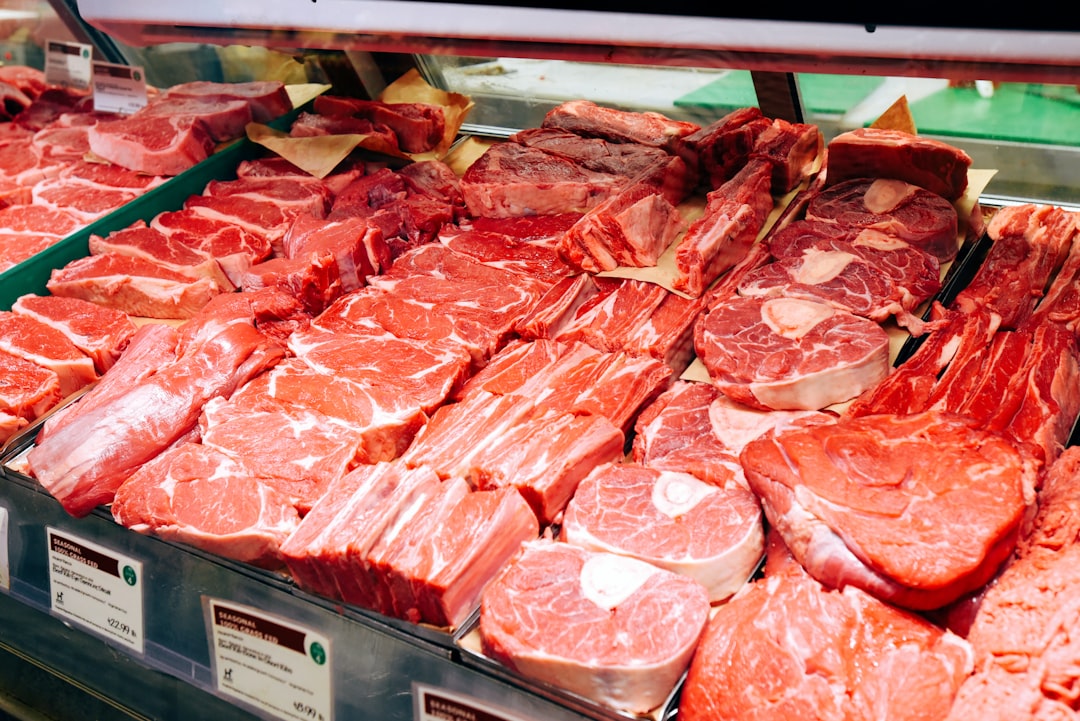
Buying meat that isn’t halal can throw a wrench in your meal plans, especially if you follow Islamic dietary laws. Finding butchers who truly sell halal meat can feel tricky. The market has plenty of options, but not all meet the standards required for halal certification. Knowing where to look and what to ask can save you time and ensure you get products that match your values.
Halal meat comes from animals slaughtered under Islamic law, which demands the animal be healthy at the time of killing. The process requires saying God’s name aloud and draining the blood completely. These steps are non-negotiable for halal meat. Some sellers might label their meat as halal without following these exact procedures, so understanding what authentic halal entails helps avoid confusion and disappointment.
A reliable way to find halal butchers is through local mosques or Islamic community centers. These places often have direct links to butchers who maintain halal practices consistently. Word of mouth within the community tends to be more trustworthy than online listings alone. People usually share details about which shops keep to proper standards and which ones cut corners. Stopping by a mosque or attending events can connect you with those recommendations.
Certification is another important factor. Look for butchers who display certification from recognized Islamic authorities. This shows they have passed inspections focused on how animals are treated and slaughtered. Don’t hesitate to ask butchers about their sourcing methods, where the animals come from, how they’re raised, and how the slaughter is done. A butcher open about these details is likely running a genuine operation.
If you run a restaurant or cater events, ordering halal meat in bulk adds complexity. You need suppliers who can guarantee supply consistency and quality at scale. Wholesale providers specializing in halal meats tend to have access to established farms and slaughterhouses that meet religious standards. Building a relationship with a few dependable wholesalers helps avoid last-minute shortages or quality dips. Regular phone calls or emails about delivery schedules keep everything on track.
Shopping online for halal meat has gained popularity. Several sites deliver fresh halal cuts right to your door, which is convenient if local options are limited. Still, check reviews carefully before buying. Confirm the online vendor shows valid halal certification and has clear policies on sourcing and handling. It’s easy to get misled by fancy websites, so digging into customer feedback is worth the effort. For local alternatives, try searching for halal meat butchers near you.
Some grocery stores now carry halal sections, which can be handy if you don’t have time to visit specialty shops. However, not all stores apply strict halal standards equally. Always read labels closely and ask staff about where the meat comes from. Sometimes, meat is labeled halal but only meets partial requirements or is mixed with non-halal products. Keeping an eye on packaging dates and storage conditions prevents surprises at home.
A practical habit is to request documentation or certification cards when shopping in person. Many authentic butchers carry paperwork or certificates from certifying bodies; photocopies or photos on your phone work as reminders for future visits. Also, avoid any butcher who hesitates or refuses to explain their process, it’s often a red flag. By combining community advice, verifying certifications, and asking pointed questions, you stand a better chance of finding reliable sources that respect halal rules and deliver quality meat. Consider using a halal meat delivery service for added convenience.