
Scheduling inspections is often a logistical headache, particularly when juggling multiple properties across different locations. The software automates appointment bookings and sends reminders to both inspectors and tenants, reducing no-shows and ensuring everyone is on the same page. For example, property managers rarely have to chase inspectors for updates because the system automatically notifies the team when reports are ready. In practice, this means fewer last-minute calls and more time spent addressing the actual property conditions.
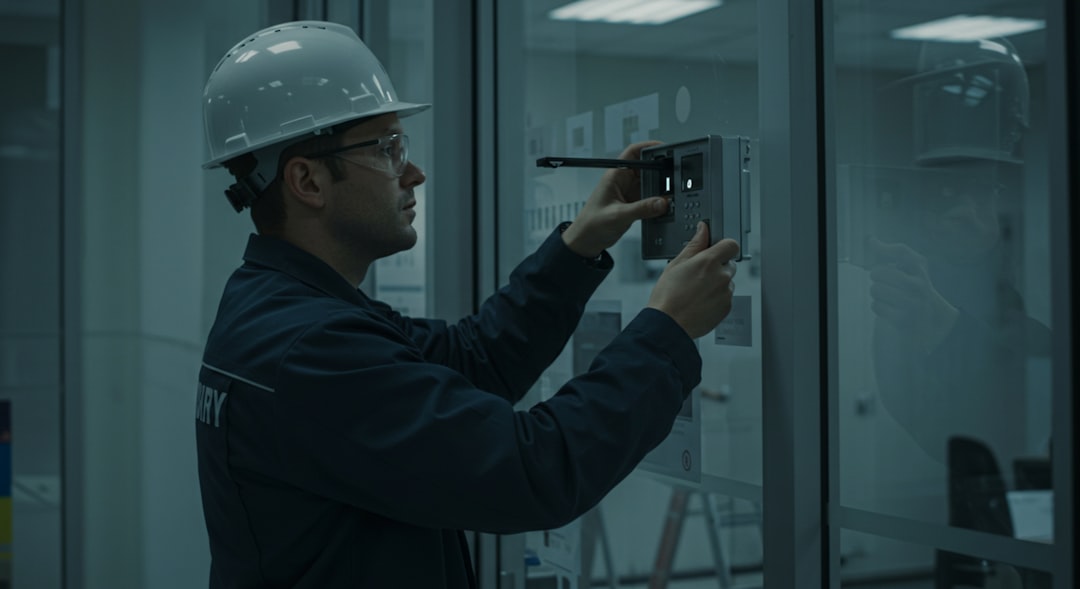
One of the most useful features is the AI-driven condition reporting. Inspectors record observations using mobile devices, and the software processes the data instantly to generate detailed reports outlining current issues and maintenance needs. These reports highlight areas like water damage, electrical faults, or structural wear before they worsen. In real life, this allows managers to prioritize repairs effectively rather than reacting to tenant complaints after problems arise. It also helps with budgeting by identifying which items need urgent attention and which can wait.
The software includes 360° virtual tours that provide an interactive walkthrough of properties. Instead of relying on standard photos or written notes, clients get a full visual experience that shows every corner of the space. This is particularly helpful for remote clients or tenants who want to verify the condition before moving in or out. Virtual tours reduce misunderstandings about property condition and cut down on disputes related to damage claims, as everyone can clearly see what was documented at inspection time.
Integrations with existing property management tools bring added convenience. For example, syncing inspection data with accounting software means expense tracking linked to inspections is automatic. Managers can view inspection costs alongside rent payments and maintenance budgets in one place. This eliminates manual data entry and reduces errors from transferring information between separate programs. It also streamlines communication between teams handling maintenance requests and financial records.
Clients benefit significantly from timely and accurate updates made possible by this technology. Entry and exit reports document property conditions precisely before tenants move in or after they leave, creating a reliable record that protects both sides from disputes. In practice, landlords often review these reports before approving security deposit returns, while tenants appreciate the transparency. The clarity provided by these reports helps maintain trust and reduces friction during tenant transitions.
If you want to improve your property management workflow and client communication, exploring ai home inspection software could be a solid next step. In my experience, businesses that adopt these tools find fewer errors in documentation and faster turnaround times on inspections. Plus, inspectors spend less time on manual tasks and more time focused on quality assessments.
For those interested in how technology can streamline property management tasks, talking to providers who offer tailored demos is a good idea. They can show how the software fits into your current processes without causing disruption. Practical features like automated reminders, integrated reporting, and virtual tours are easy to implement but make a noticeable difference in daily operations.
To explore more about improving your property management practices, check out detailed property management advice. Staying up to date with available tools helps you avoid common pitfalls like missed inspections or poorly documented reports that lead to costly misunderstandings.