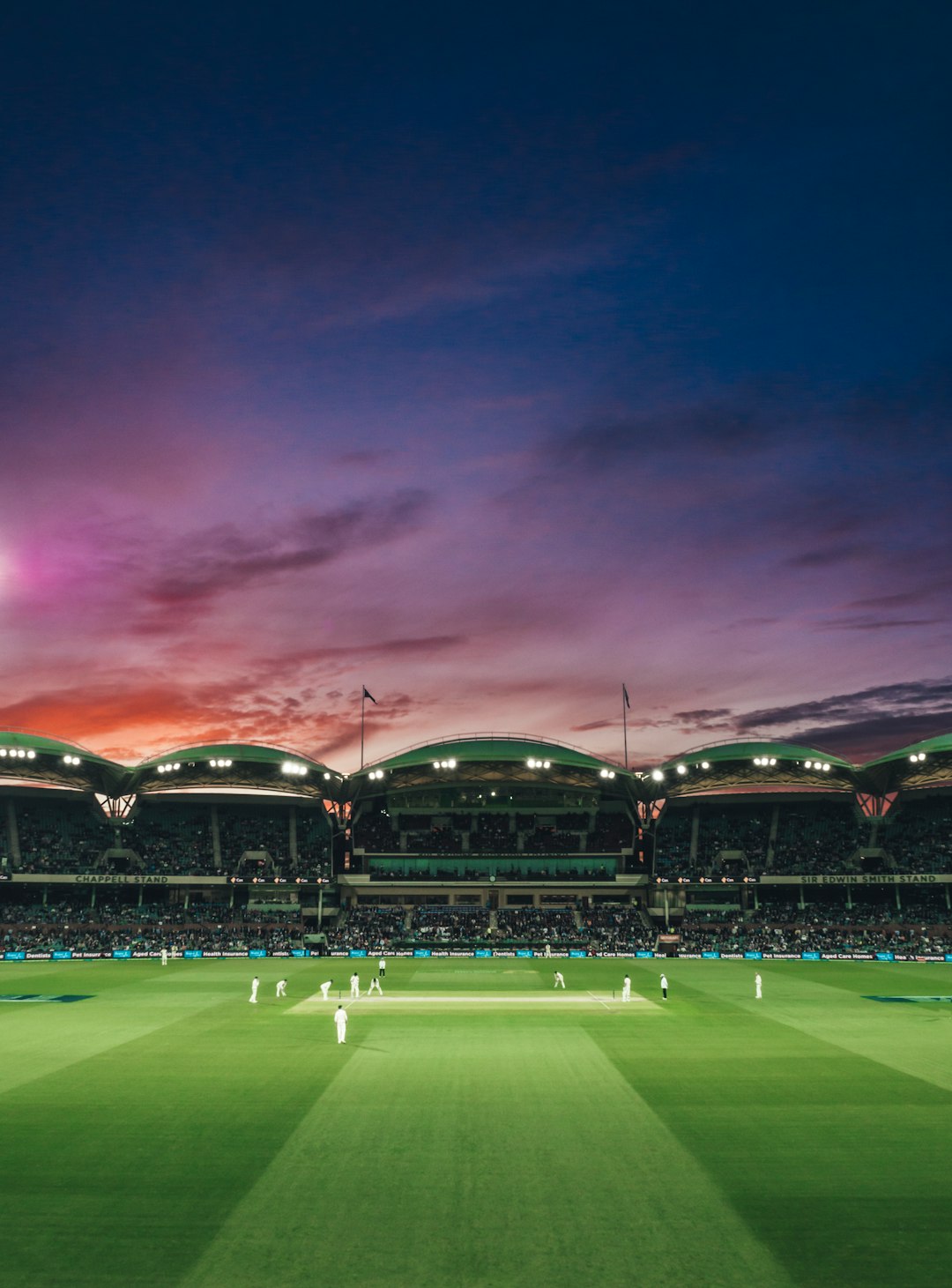
Lighting for sports fields plays a critical role in ensuring safe, enjoyable, and competitive environments for athletes and spectators alike. Whether it’s a local football ground or a professional stadium, the quality and design of lighting systems can significantly influence the overall experience. As daylight fades, well-planned illumination becomes essential not just for visibility, but also for performance, safety, and even regulatory compliance.
The primary purpose of sports field lighting is to provide consistent and adequate illumination that enables players to perform at their best while allowing spectators to follow the action clearly. At the same time, lighting must minimise glare and shadowing, which could otherwise impair performance or create hazards. Achieving this balance requires careful planning, including the positioning of light poles, selection of appropriate fixtures, and consideration of the specific needs of each sport.
Different sports have different lighting requirements. For instance, tennis courts demand a more focused lighting pattern to illuminate a relatively small area with high-speed action, whereas football fields need broader coverage with uniform brightness. In all cases, meeting the required lux levels—an industry measurement of light intensity—is vital. These standards are often set by sporting organisations or local councils and vary depending on whether the facility is intended for training, amateur competition, or professional play.
A well-designed lighting system also considers the surrounding environment. In residential areas, for example, careful attention must be paid to light spill and obtrusive glare that could affect nearby homes. Modern lighting solutions often incorporate advanced optics and directional controls to reduce these impacts while still delivering high performance on the field. Additionally, with increased focus on sustainability, energy efficiency has become a major factor in lighting design. LED technology has largely replaced older systems, providing not only better quality light but also significant energy and maintenance savings.
Planning and installing lighting for sports fields involves more than simply placing lights around the perimeter. It requires a detailed understanding of the site layout, intended usage, and compliance requirements. Professional contractors typically start with a lighting assessment and use specialised software to model light distribution. This allows them to predict how the light will fall across the field and make adjustments before installation begins.
Another key consideration is the height and spacing of light poles. Taller poles can reduce the number of fixtures needed and provide better light spread, but they also require stronger foundations and may face zoning restrictions. Pole placement must also avoid creating blind spots or uneven lighting. Flexibility is important, particularly for multi-use fields where lighting may need to accommodate different sports or events. In some cases, systems are designed with adjustable settings to change the light levels based on the type of activity.
Maintenance is another aspect that should not be overlooked. Even the most advanced lighting systems require periodic inspections to ensure they continue to perform effectively. This includes checking for burned-out bulbs, misalignment, and weather damage. Regular maintenance helps extend the life of the system and ensures consistent lighting quality over time. Additionally, monitoring energy usage can help identify inefficiencies that may be corrected to reduce operating costs.
As sports participation continues to grow across communities, the demand for reliable, high-quality lighting has never been greater. Facilities that invest in professional lighting solutions not only improve the user experience but also increase the attractiveness of the venue for hosting events. This can lead to broader community engagement and potential revenue opportunities. Quality lighting can be a deciding factor in whether a field meets the standards for league play or night-time operations.
Choosing the right electrical contractor is crucial to achieving a successful outcome. Specialists in sports lighting bring the technical expertise, regulatory knowledge, and practical experience needed to deliver systems that perform well over the long term. From initial planning to final installation, working with experts ensures that all aspects of the project are handled professionally. For those looking to upgrade or install new systems, it’s worth exploring the full range of electrical services available to support your project from start to finish.
Sports field lighting is both a science and an art, blending technical precision with an understanding of how lighting influences play. When done properly, it enhances every aspect of the sporting experience, from the players on the field to the fans in the stands. With thoughtful design and expert implementation, lighting systems can transform ordinary spaces into vibrant, high-performance venues ready to meet the demands of modern sport.