
The lymphatic system includes vessels, lymph nodes and organs that help return excess fluid from tissues to the bloodstream and support immune function. Lymph is the fluid transported through that network. Interstitial fluid surrounds the cells, and it can accumulate when fluid movement does not keep pace with what the tissues are receiving. That puffiness is not the same as body fat, so a massage or compression treatment should not be presented as instant weight loss. A more realistic aim might be temporary comfort, relaxation or support alongside an approved recovery plan.
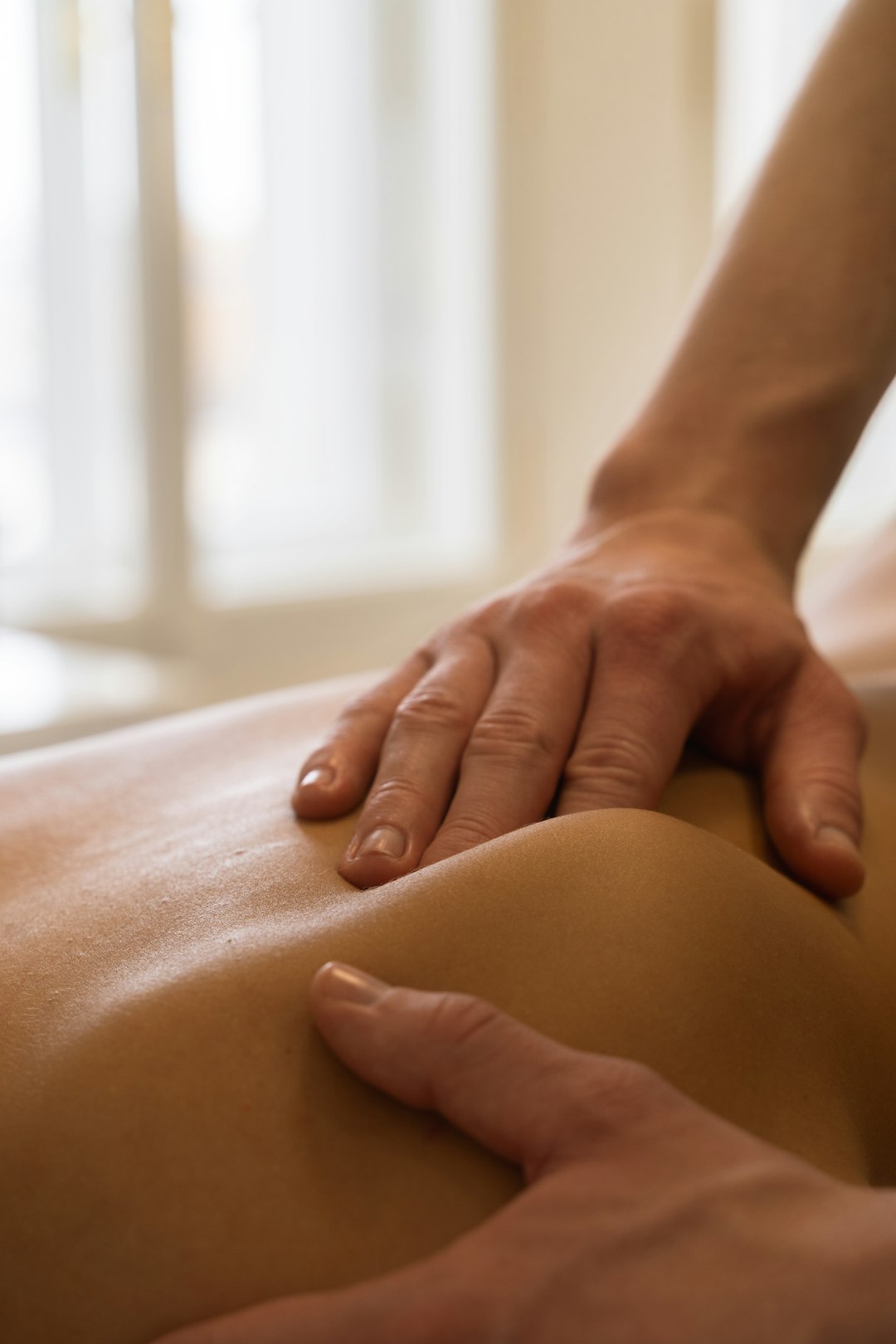
Pressure is another area where expectations often go wrong. Someone who has spent a week sitting at a desk may ask for a very firm massage, assuming stronger contact will produce better drainage. Lymphatic techniques are commonly gentle, partly because a large proportion of superficial lymphatic vessels lie close to the skin. Compression works differently. An inflatable garment applies controlled pressure around selected areas, usually through chambers that inflate and release in sequence. Before treatment, the practitioner should explain the sensation and check whether pressure changes or enclosed clothing could cause discomfort.
A responsible consultation should cover the location and pattern of swelling, recent travel, operations, medication and relevant medical history. The practitioner may ask whether the area changes during the day or shows heat, redness, tenderness or altered skin colour. Those details can affect whether a relaxation treatment is appropriate or whether medical advice should come first. After surgery, check the discharge paperwork or contact the treating surgeon before booking. Unexplained swelling, a possible blood clot, active infection, or significant heart or kidney disease also calls for medical guidance rather than an unassessed massage.
Sydney clients may be choosing between hands-on techniques and a compression-suit appointment. A Slimyonik suit is described as using fitted air chambers to deliver sequential compression while the client remains still. It is a different experience from manual massage, so ask how the garment fits, which areas are covered and how pressure can be adjusted. If you are comparing local options, the details for lymphatic drainage sydney can be checked directly with the provider. Confirm the current session length, price and inclusions, since published service information can change.
A person recovering after a procedure might have medical clearance but still need a tailored plan. They should confirm when massage or compression is permitted, tell the therapist about dressings or restricted areas, and follow any prescribed compression instructions. The appointment may be shortened, repositioned or kept at a lower intensity as recovery progresses. A 45-minute session may suit one client, but its duration does not establish that it is safe or appropriate for another. Gentle walking, ordinary hydration and the treating clinician’s advice may be more relevant than requesting extra pressure.
Before booking, note the main symptom, its starting date, recent flights or operations and any medication changes. Take that information to the consultation, then ask who will provide the treatment, whether screening is included and what should happen if symptoms worsen during the session. A provider offering sydney wellness appointments can explain practical arrangements, but diagnosis and post-operative clearance belong with a doctor. Stop and seek advice if swelling becomes painful, hot, red, rapidly worse or unusually one-sided, rather than trying to resolve a warning sign through repeated wellness treatments.