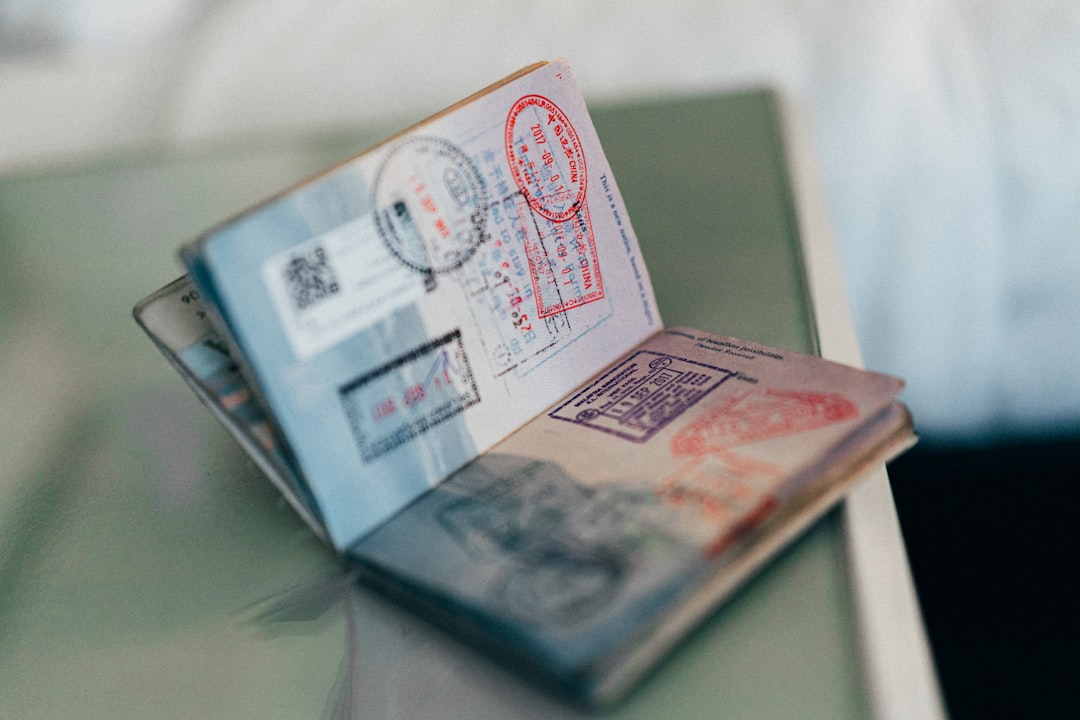
If you’re running a tech business and want to live in Spain while working remotely, the digital nomad visa could be your ticket. It’s designed for non-EU citizens who want to stay in Spain without the hassle of a traditional work permit. The key requirement is proving you have a steady income from abroad. For example, a freelance developer with clients in the UK can submit contracts showing consistent earnings. Make sure these contracts are clear and recent, as immigration officers often request up-to-date proof.
Health insurance is not optional. You need coverage that meets Spain’s standards, which usually means private insurance with full medical benefits valid throughout your stay. Some insurers specialise in policies tailored for remote workers in Europe. Partnering with one can save time and headaches, especially if your current provider doesn’t cover you internationally.
Taxation can catch people off guard. Spending more than 183 days in Spain in a calendar year generally makes you a tax resident. That means declaring your global income there. It’s wise to consult a tax advisor familiar with Spanish law before moving. They can advise on how to structure your finances and what records to keep. Misunderstanding residency rules could lead to unexpected tax bills.
Spain introduced this visa to attract skilled professionals and boost its economy after Brexit shook up traditional work permits. If you plan to hire remote employees or contractors abroad while living in Spain, you should check how this affects your obligations. Immigration lawyers can help clarify regulations that might impact your business structure or payroll.
The application paperwork can pile up fast. You’ll need proof of employment or business activity, bank statements showing financial stability, health insurance certificates, and sometimes police background checks. Prepare early and keep a checklist handy. Missing a document or submitting outdated papers often causes delays or rejections.
Once you’re settled, keep track of your visa expiry dates and any local rule changes. Spain occasionally updates visa conditions. Staying informed avoids surprises like losing your status or needing to reapply sooner than expected. Many digital nomads set calendar reminders for renewal deadlines and schedule yearly consultations with immigration advisers.
If you’re serious about setting up in Spain, getting advice on digital nomad visa spain rules is a smart move. Understanding the ins and outs before you start saves time and frustration down the road.
Finally, working with someone who offers practical foreign income tax guidance helps ensure you comply with both Spanish law and your home country’s tax requirements. That’s the kind of support that keeps your focus where it should be , growing your business and enjoying life in Spain.