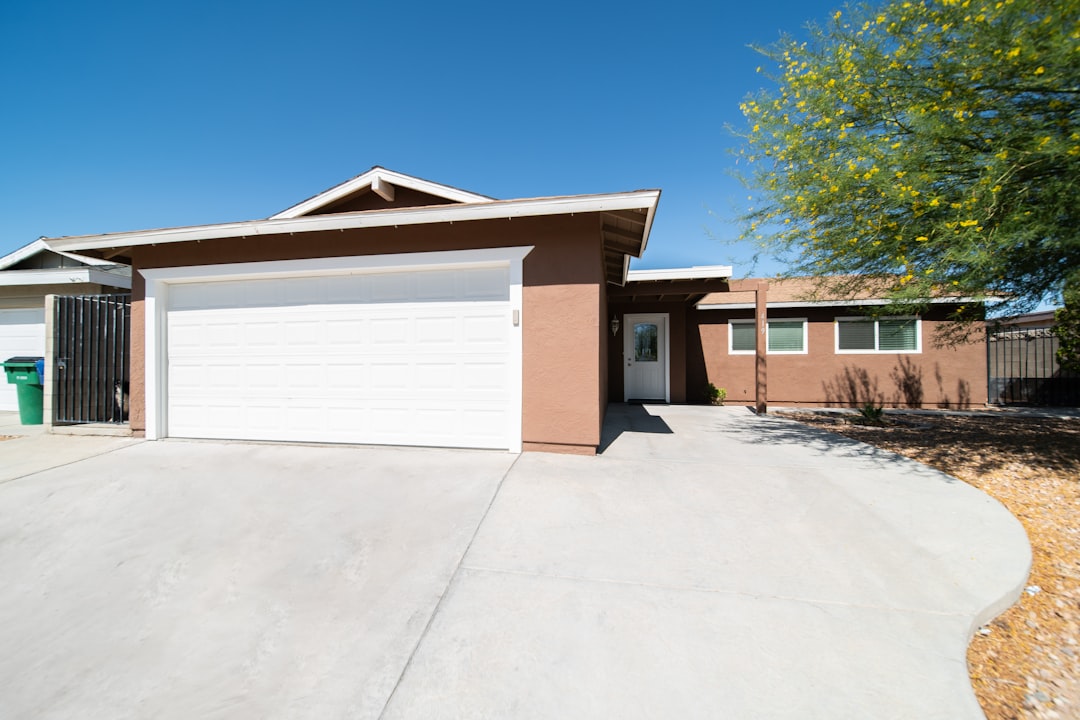

The cost to seal a driveway depends on several factors. Size matters, a single-car driveway costs less than a double or triple bay. Sealant type is another variable; acrylic sealers tend to be cheaper but less durable than epoxy-based products. Surface prep can add to expenses if the concrete has significant damage or oil contamination. For example, a typical two-car driveway might run between £200 and £500 just for sealing. If cracks need filling or the surface requires cleaning with specialized equipment, budget accordingly.
One mistake homeowners make is thinking sealing requires no follow-up. Driveways need resealing every three to five years to maintain protection, especially in regions with heavy rainfall or intense sun. Skipping maintenance leads to the sealant wearing thin, allowing moisture and dirt to penetrate again. A practical habit is to schedule inspections alongside routine yard care, so you catch wear before it worsens.
Commercial properties face higher demands on their driveways. Frequent vehicle traffic and exposure to grease or fuel spills accelerate deterioration. A well-sealed commercial driveway reduces slip hazards caused by uneven patches and improves safety for customers and employees. It also helps businesses manage ongoing maintenance costs by preventing major repairs. Understanding driveway sealing cost in this context helps with realistic budgeting for upkeep.
Additional concrete treatments can boost driveway durability and appearance. Acid washing removes stubborn stains and prepares the surface for better sealant adhesion. Decorative overlays add style while reinforcing strength against wear. Each option has its own price range and benefits, so weigh them carefully against your budget and long-term goals.
A real-world detail is that many contractors request a clean, dry surface before sealing, often advising homeowners to avoid washing the driveway immediately before the job. This prevents trapped moisture from causing bubbles under the sealant. Another useful tip is documenting your driveway’s condition with photos before and after sealing, this helps track performance and avoid disputes if issues arise later.
If you’re unsure about the best approach, consulting concrete service professionals can clarify your options. They typically assess the driveway’s current state and suggest treatments tailored to your situation rather than pushing unnecessary extras. For those interested in improving curb appeal or just preserving their investment, exploring all available concrete care methods is worthwhile. More detailed advice on maintenance schedules and product choices can be found at driveway maintenance advice online.