
Zoning the space properly makes a big difference. Separate spots for ordering, waiting, and relaxing help keep things organized. For example, putting the espresso machine right behind the counter helps baristas work quickly. Meanwhile, seating arranged away from busy walkways invites people to stay longer. Owners who skip this step often end up with a cramped or chaotic environment that drags down both mood and efficiency.
Lighting affects more than just visibility. A softly lit nook might feel inviting but can discourage people who want to work or read for a while. Too much harsh light creates a sterile atmosphere that drives customers away. Balancing natural light with well-placed lamps and fixtures creates warmth and comfort throughout the shop. It’s worth spending time on window placement and dimmers to adjust light based on time of day.
Choosing furniture is not just about looks. Trendy chairs might catch the eye but leave guests uncomfortable after 10 minutes. Practicality matters, furniture should support longer stays without sacrificing style. Mixed seating options work well: sturdy tables for laptops, cozy booths for groups, and bar stools for quick stops. The right mix encourages different types of customers to settle in or grab a quick drink.
Smart product placement can boost sales without feeling pushy. Position pastries or retail coffee near the register where customers are already looking helps increase impulse buys. Displays should be neat and appealing, not cluttered or overwhelming. Regularly rotating items keeps interest high and gives something fresh to chat about with patrons.
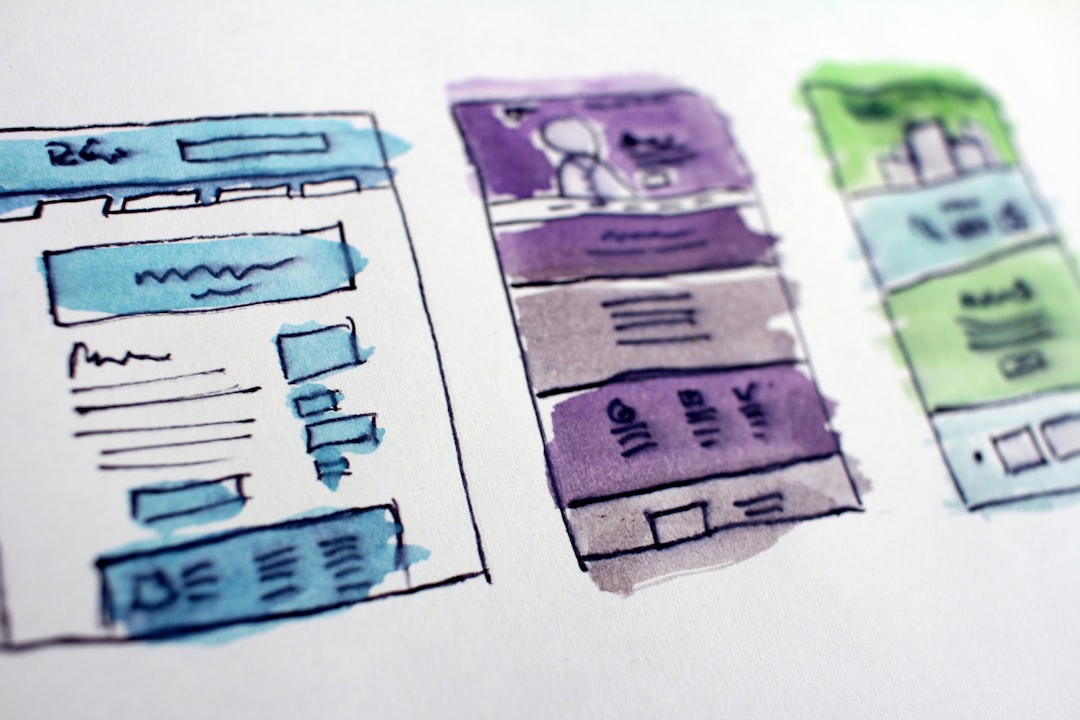
New shop owners often overlook the value of training focused on layout design. Practical courses offer real-life examples and advice specific to coffee shops, saving time and costly mistakes. Seeing what works in other spaces helps avoid trial-and-error blunders and sharpens decision-making. Many find it useful to sketch floor plans on paper first, then walk through them imagining customer movement before committing.
Pay attention to details like clear signage, accessible power outlets for devices, and clutter-free counters. Staff need enough room behind the counter to move quickly without bumping into each other or customers. Regularly checking how the layout functions during busy periods uncovers problems early. Simple tweaks like moving a table or adjusting a queue line can make a big difference.
Focusing on flow, zoning, lighting, furniture, and product placement sets a solid foundation for any coffee shop. Investing effort here improves customer satisfaction and keeps operations smooth. For anyone ready to refine their space, consider exploring a course dedicated to layout design of coffee shop strategies.
Don’t underestimate how each design choice shapes your business’s success. Avoid common pitfalls by opting for practical solutions that create a welcoming environment and keep customers coming back. For more ideas and support on running a coffee shop, visit coffee shop resources online.