Solid wall insulation plays a crucial role in enhancing the energy efficiency of older homes, particularly those built before the 1920s. Unlike modern properties that typically feature cavity walls, these older buildings have solid brick or stone walls, which can lose a significant amount of heat if left uninsulated. With energy costs on the rise and increasing pressure to reduce carbon emissions, homeowners are turning to solid wall insulation as a viable solution to improve comfort and lower heating bills.
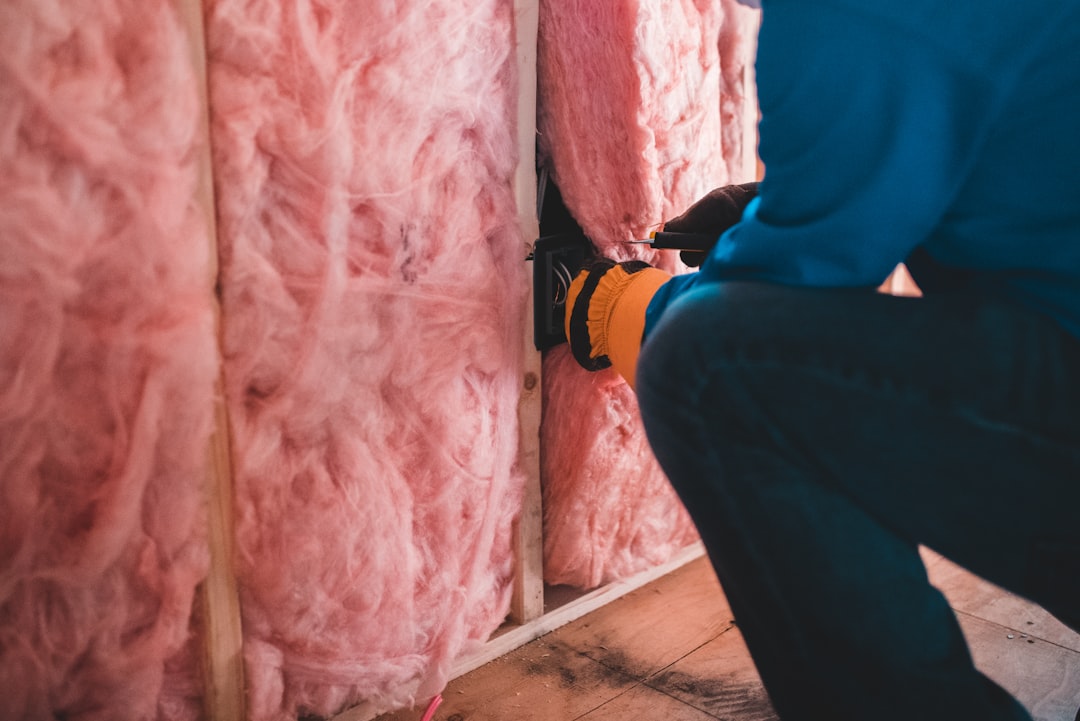
There are two main types of solid wall insulation: internal and external. Internal wall insulation involves fitting insulation boards or stud walls on the inside surfaces of the external walls. This method is typically less expensive than external insulation and is often suitable for properties where changes to the exterior are not permitted, such as listed buildings. However, it can reduce the floor area of rooms and may require adjustments to fixtures and fittings.
External wall insulation, on the other hand, involves fixing insulation material to the outside of the home and then covering it with a special render or decorative finish. This method provides better thermal performance and helps protect the building from weathering. It can also improve the appearance of a property, which is especially useful in homes with tired or unattractive exteriors. One of the main considerations with external insulation is that it may require planning permission, particularly in conservation areas.
The benefits of solid wall insulation are numerous. In addition to reducing heat loss, it can significantly cut energy bills. According to various energy efficiency studies, insulating solid walls can save hundreds of pounds per year in heating costs. Moreover, it contributes to a more consistent indoor temperature, eliminating cold spots and draughts commonly found in uninsulated homes. This not only enhances comfort but also supports better health and wellbeing by reducing damp and condensation issues.
Another advantage is the environmental impact. By lowering the amount of energy needed to heat a home, solid wall insulation helps reduce carbon dioxide emissions. This is particularly important as the UK works towards its net-zero emissions target. As more homeowners adopt sustainable practices, solid wall insulation becomes an essential component of a greener lifestyle.
When considering installation, it is vital to assess the condition of the property. Homes with existing issues such as damp or structural instability should address these problems before insulation is added. A professional assessment can determine the most suitable type of insulation and ensure that it is installed to the highest standards. The installation process can take several days to a few weeks, depending on the size of the property and the complexity of the work.
While the upfront cost of insulating solid walls can be higher than other energy-saving measures, the long-term savings and increased property value often justify the investment. Financial support may also be available through government schemes or local grants, making it more accessible for homeowners. These programmes can help offset installation costs and encourage wider adoption of energy efficiency improvements.
For those exploring options to improve their home’s energy performance, combining different insulation methods can yield even better results. For instance, solid wall insulation can be complemented with underfloor, loft or roof insulation to create a more comprehensive thermal envelope around the home.
Understanding how different parts of a building interact thermally is key to choosing the right combination of measures. Insulation not only retains heat during winter but also helps keep homes cooler in summer. This dual benefit contributes to year-round comfort and further energy savings.
Choosing an experienced installer ensures that the work is done correctly and efficiently. It’s worth taking the time to research and select professionals who follow industry standards and use high-quality materials. This attention to detail can make a significant difference in the insulation’s performance and durability.
Ultimately, solid wall insulation is a practical and long-term solution for improving the energy efficiency of traditional homes. It addresses one of the primary sources of heat loss and can transform the comfort, appearance and sustainability of a property. Whether you’re looking to reduce monthly bills, increase home value or support environmental goals, insulation is a smart step forward. For more information on how to improve your home’s energy efficiency, visit this underfloor insulation resource for guidance and insights.