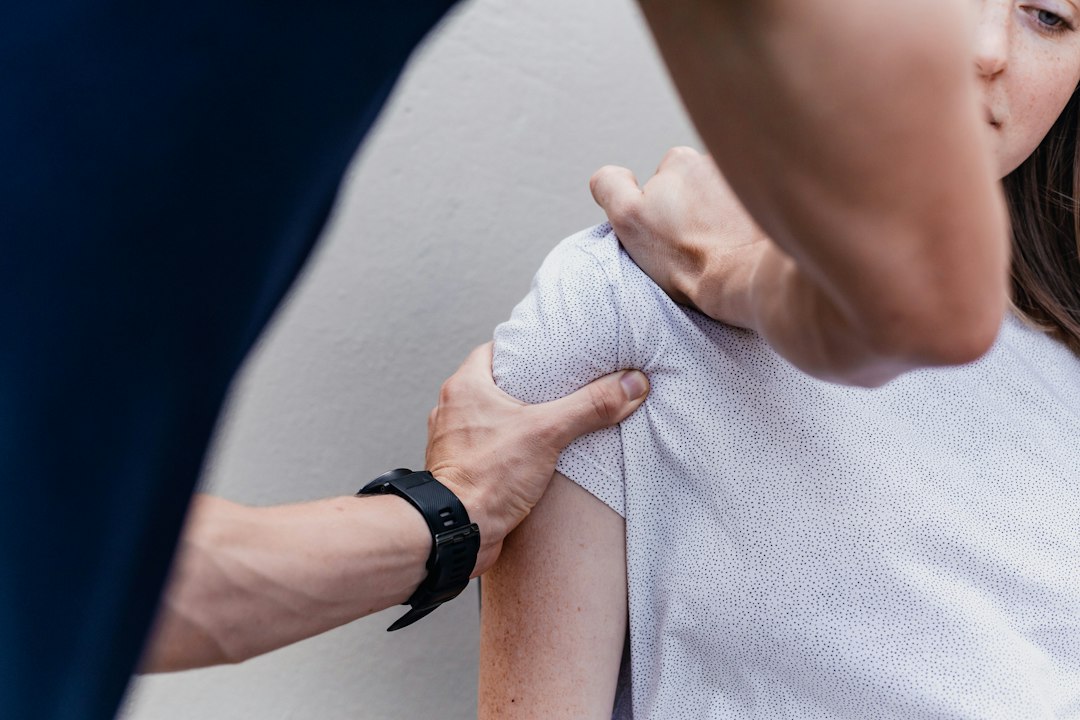

A common misconception is that pain provides a precise measure of tissue damage. Pain is important, but it can be influenced by irritated tissue, sleep, stress, and a sudden change in activity. That does not make symptoms imaginary, nor does it mean they should be ignored. A clinician interprets pain alongside strength, movement, and function. An assessment might consider range of motion, meaning how far a joint can move, and proprioception, the body’s awareness of joint position. For example, an ankle may feel nearly normal after a sprain while balance remains limited, creating a different rehabilitation need.
Rest can be useful when an area is highly irritable, but another misconception is that complete rest fixes most sports injuries on its own. If someone returns directly to the same workload, symptoms may return because capacity was never rebuilt. Imagine a recreational runner increasing from two short runs to five longer ones in a few weeks. A sensible response might involve temporarily reducing distance or intensity while keeping tolerable movement, then increasing demands gradually. Load management can change the amount, frequency, speed, or type of exercise rather than requiring permanent avoidance of running.
Strength training is not reserved for elite athletes or people who want larger muscles. Progressive resistance means gradually challenging muscles with body weight, bands, weights, or controlled drills that match current ability. It can help restore force, endurance, and confidence after injury. Someone returning to soccer after knee symptoms might start with supported squats, progress to single-leg work, and later practice slowing down and changing direction. The sequence should reflect the person’s presentation and sporting demands. An exercise is useful when its purpose is clear, not merely because it looks advanced or difficult.
Sports physiotherapy may overlap with exercise physiology, strength and conditioning, and general fitness planning, but these areas are not identical. Exercise physiology considers how the body responds and adapts to exercise, which can help when rebuilding fitness after time away. Conditioning may support rehabilitation, while rehabilitation focuses more directly on restoring function after a problem. Dry needling or taping might be considered in some situations, and programs such as GLA:D may be relevant for appropriate joint concerns, but passive treatments are not substitutes for active work. Broader exercise and fitness planning may complement injury rehabilitation when appropriate.
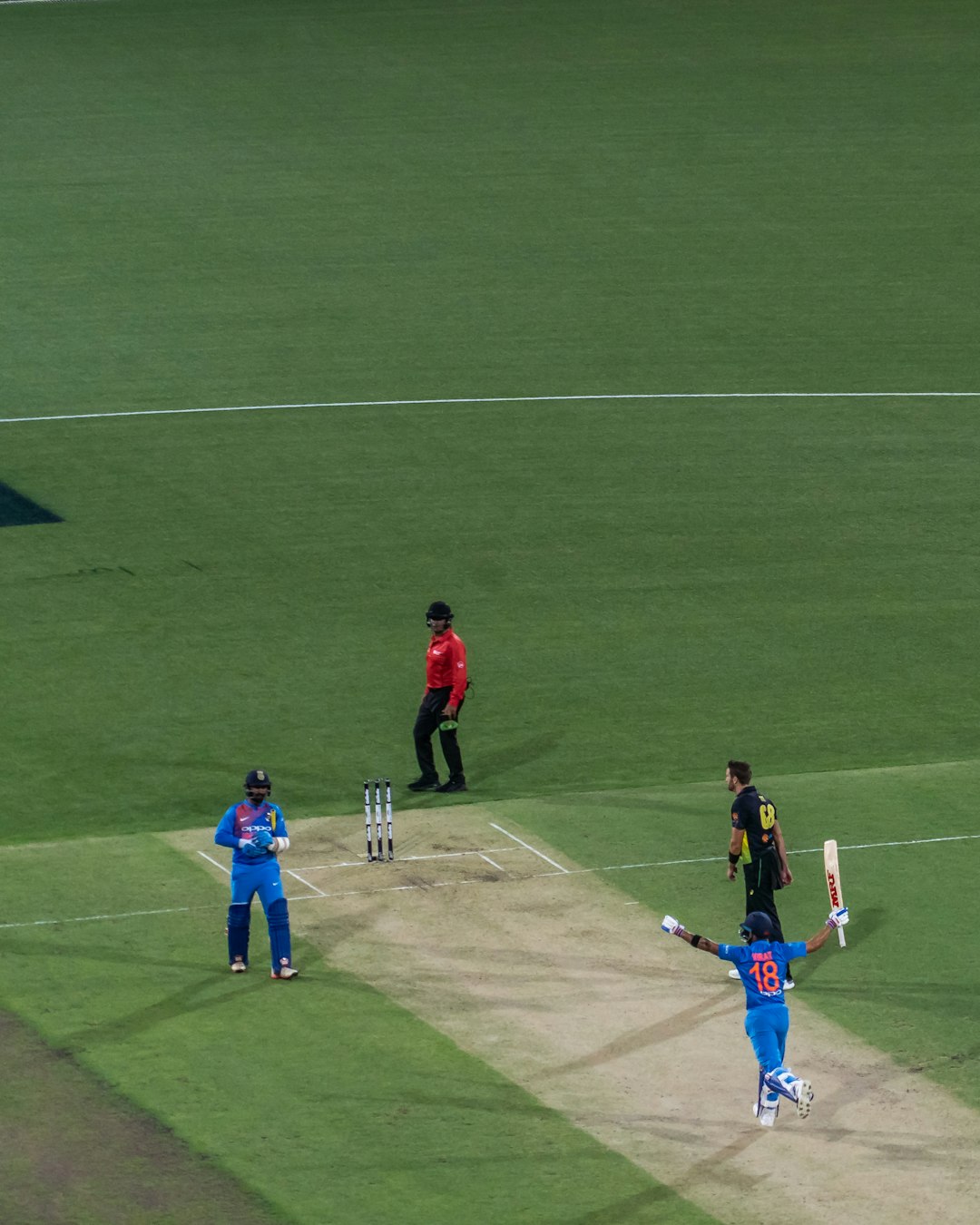
Returning to sport should not depend only on a calendar date or the disappearance of soreness. A more useful question is whether the person can perform relevant movements, repeat efforts, and recover without a meaningful flare-up. A hypothetical basketball player may need to tolerate controlled landings, lateral movement, and repeated jumps before playing a full game. A runner may need several gradual sessions rather than one comfortable test run. Rehabilitation can include mobility, which describes available movement, and neuromuscular control, meaning how effectively the brain and muscles coordinate during demanding tasks.
Choosing a sports physio in Liverpool does not mean accepting endless appointments or being told to abandon activities you enjoy. During an initial consultation, it is reasonable to ask what the working diagnosis is, what can safely continue, which exercises matter, and how progress will be measured. A plan should also account for work, family commitments, training time, and any warning signs that require review. Seek prompt medical assessment for severe or worsening symptoms, major loss of function, or concerns after significant trauma. The aim is informed participation, with treatment helping you manage recovery rather than making you dependent on appointments.