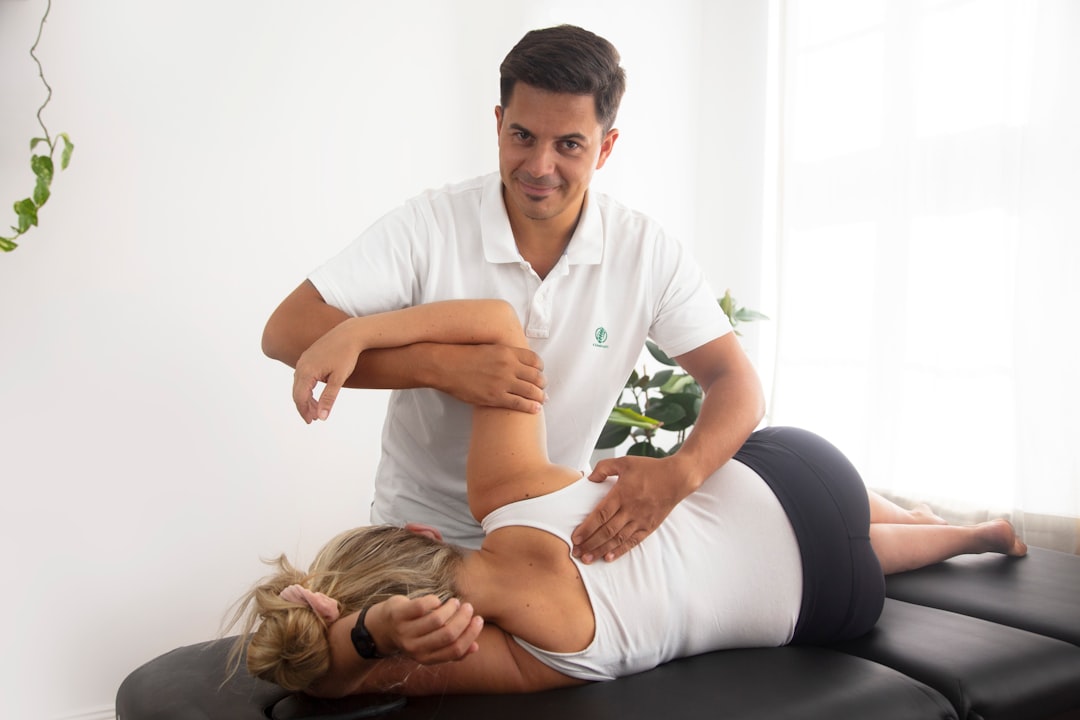

Physiotherapy is more than just treating pain. It combines hands-on therapy with personalized exercise and education about your condition. A physio will often start with a detailed assessment to understand how your injury or condition affects your daily movement. They then create a plan that might include manual techniques, strengthening exercises, and advice on posture or activity adjustments. This approach doesn’t just soothe symptoms but equips you to avoid repeating the same injury.
Exercise physiology digs deeper into how your body handles physical stress. An exercise physiologist evaluates your cardiovascular fitness, muscle function, and flexibility, then uses that data to design workouts that safely build your endurance and strength. For example, someone with asthma or a heart condition might need a modified routine that gradually increases intensity without risking flare-ups.
Strength and conditioning programs focus on boosting athletic performance through structured training. These programs are finely tuned to an athlete’s sport-specific needs. Take a footballer aiming for quicker sprints and stronger tackles, they’d work on explosive power and muscle balance to perform better on match day while cutting down injury risk. Coaches will often adjust loads carefully, watching for signs of overtraining that can cause setbacks.
Training for fitness and sports performance also includes mental preparation. Trainers may incorporate visualization exercises to build confidence before competitions or stressful events. Combining this with tailored physical drills helps athletes maintain focus under pressure, a detail often overlooked but crucial for success.
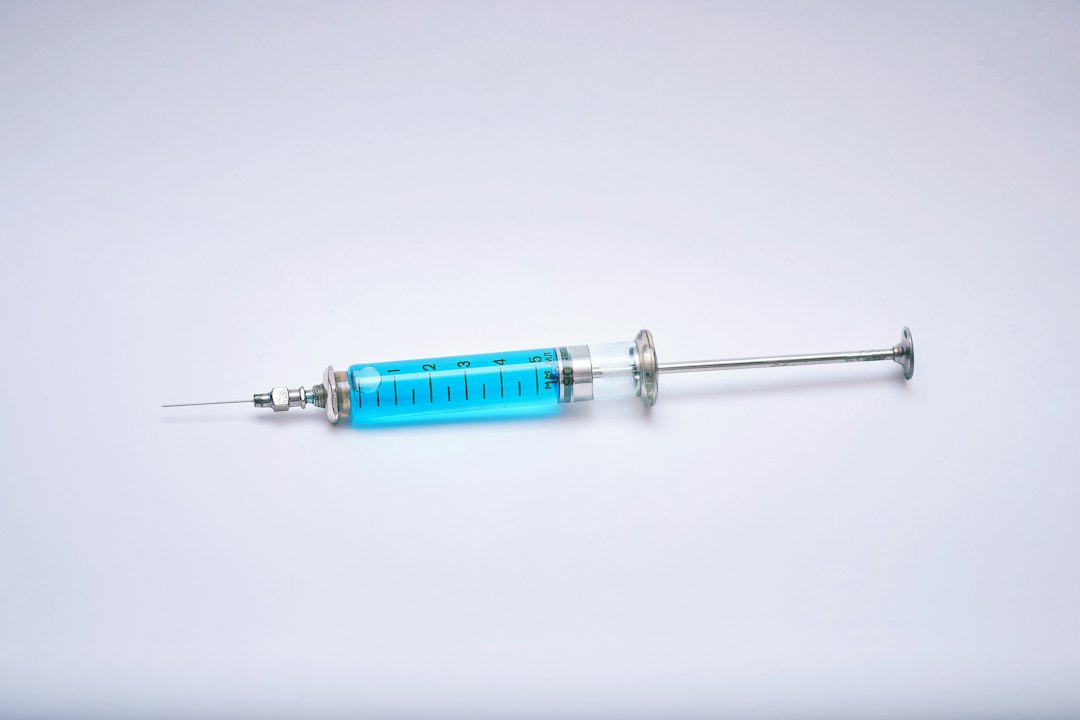
Dry needling is a technique some physiotherapists use to relieve stubborn muscle tension. Thin needles target trigger points, encouraging blood flow and easing tightness. Many desk workers with chronic shoulder stiffness find relief this way, especially when traditional stretching doesn’t help. It’s usually part of a broader treatment plan rather than a standalone fix.
The GLA:D program supports people with knee or hip osteoarthritis through education and exercise therapy. Participants learn practical ways to manage pain and improve joint function with exercises designed to strengthen muscles around affected joints. It’s common for patients to report better mobility and less discomfort after consistent involvement in this program.
Taping and casting offer immediate support during injury recovery. Taping stabilizes joints while allowing some movement, useful for sprains or strains where total immobilization isn’t necessary. Casting is reserved for more severe injuries where immobilization promotes healing, like fractures. Physiotherapists advise patients on when to use each method to avoid delayed recovery caused by improper support.
Whether you’re facing persistent pain or prepping for an athletic challenge, professional input makes a difference. Our Liverpool team focuses on practical recovery strategies so you can get back to your routine stronger and more resilient. Check out our services at sports physio liverpool to see how we tailor treatments to your needs. For details on appointment scheduling and our full offerings, visit .