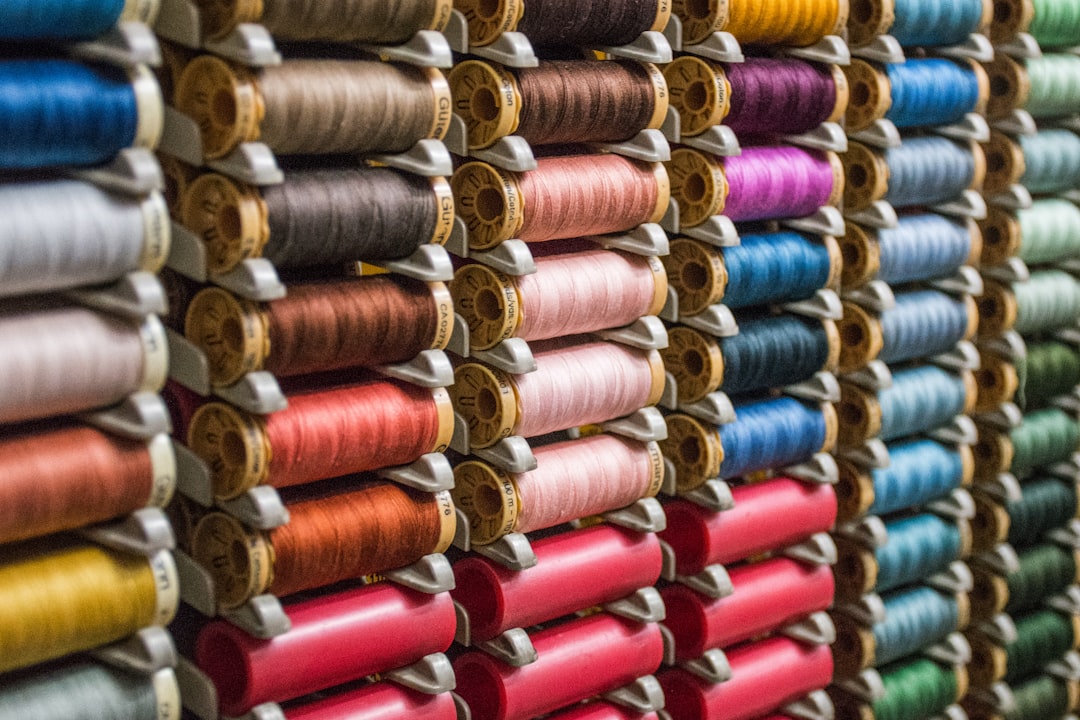
Textile waste is a daily headache for many businesses, especially clothing brands dealing with leftover inventory or unsold items. Instead of dumping these textiles in landfills, some companies adopt fiber-to-fiber recycling to turn waste back into raw materials. This method reduces reliance on new fibers and helps close the production loop. For example, when a fashion retailer swaps out seasonal collections, older stock often faces disposal. Many are now choosing to recycle these garments by shredding them into fibers that can be respun into yarn, cutting waste and the environmental toll of fresh material sourcing.
The recycling journey starts with collecting and sorting textiles by fiber type. Natural fibers like cotton and wool are easier to reclaim, but synthetics such as polyester require careful processing to maintain quality. Polyester can be chemically broken down and remade into fabric fit for new clothing lines. This saves energy compared to creating fibers from scratch. One common pitfall companies face is mixing fibers during sorting, which lowers the value of recycled material; so, precise separation is critical. Staff often use manual checks alongside machines to catch contamination early and avoid costly reprocessing.
Advanced technology is changing how recycled textiles are handled. Artificial intelligence-powered sorting systems increase accuracy in identifying fiber blends and contaminants. This boosts the purity of recycled fibers, giving manufacturers confidence in their inputs. But even with tech, human oversight remains important since machines can misread labels or overlook subtle fabric differences. Workers typically double-check AI outputs and remove unsuitable items before processing continues.
Securing enough raw material is another challenge. Businesses often partner with local nonprofits and community groups to collect used clothes and textiles. These collaborations build steady supply chains and raise public awareness about textile reuse. Some brands run take-back programs where customers return old garments in-store. These returned textiles provide reliable feedstock and help brands engage consumers directly in sustainability efforts.
New recycling plants dedicated to fiber recovery are popping up nationwide. Equipped with steam boilers and fine shredders, these facilities handle large volumes efficiently while cutting operational costs. They often feature closed-loop water systems and energy recovery units to reduce environmental impact further. A practical detail is scheduling regular maintenance on shredders to prevent jams caused by zippers or buttons, which can halt production unexpectedly.
Once shredded, fibers are cleaned and blended before spinning. Quality control teams test batches for fiber length and strength to ensure consistent yarn quality. If batches fall short, they’re reprocessed or redirected for insulation or stuffing materials rather than apparel. This step avoids low-grade output that could damage brand reputation.
Sustainability demands more than just recycling, it requires smart integration of processes and partnerships across the supply chain. Brands willing to invest in transparent tracking systems can better verify recycled content claims, satisfying increasingly strict regulations and consumer scrutiny. For instance, maintaining detailed logs of fiber sources prevents accidental mixing of virgin and recycled materials.
The shift toward fiber-to-fiber recycling isn’t optional anymore; it’s becoming a business imperative as eco-conscious consumers push for greener products. Embracing these methods helps brands reduce waste, lower environmental footprints, and gain credibility in a crowded market. For guidance on implementing effective recycling practices, consider working with a textile recycling company. They offer practical support tailored to industry realities.
For broader information on textile recovery options and sustainable fashion strategies, visit textile reuse initiatives. These resources connect businesses with community programs and innovative approaches to managing textile waste.