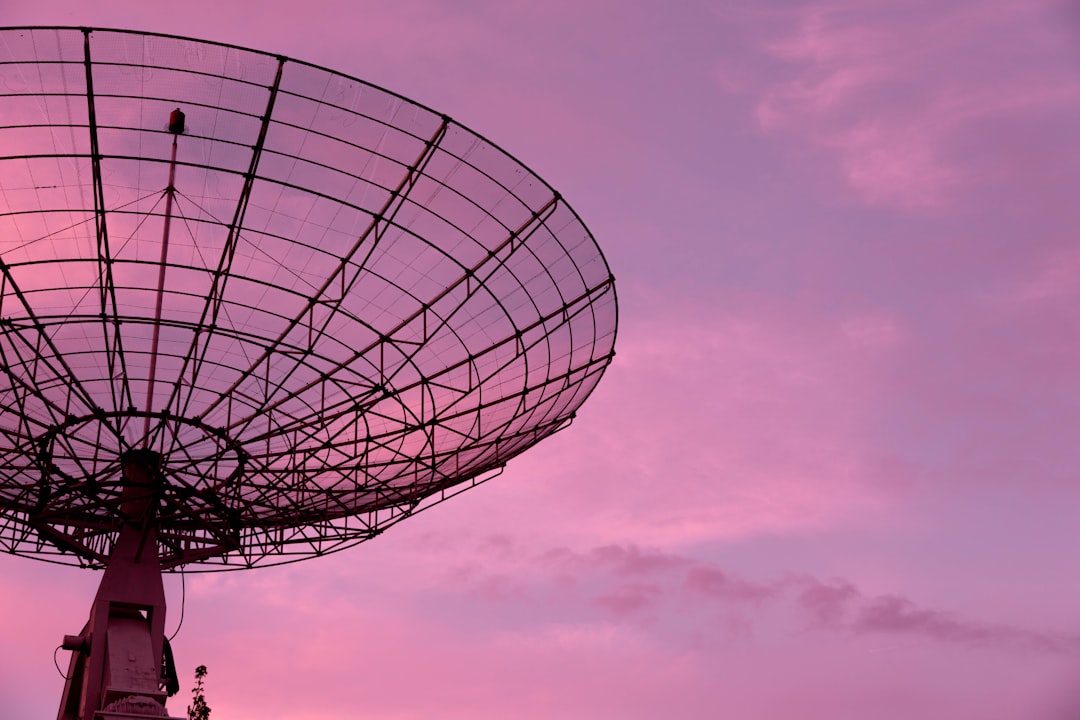

Understanding antenna gain is key to making a smart choice. Gain measures how well an antenna focuses radio waves in a specific direction. Higher gain antennas send stronger signals over greater distances but usually have narrower coverage areas. For businesses far from cellular towers, this can make a noticeable difference. UHF antennas cover frequencies roughly between 300 MHz and 3 GHz, suitable for uses ranging from TV broadcasts to two-way radios.
The antenna type also matters. A dipole antenna offers a simple, balanced signal and often suits homes or small offices where coverage around the antenna is needed. In contrast, Yagi antennas deliver higher gain with more directionality, which works better for commercial sites requiring long-range communication. Knowing these trade-offs helps avoid picking an antenna that underperforms or is unnecessarily complex.
Take construction sites as an example. Reliable radio chatter among workers is critical for safety and coordination across wide areas where mobile phone signals might drop out. Installing a UHF antenna system tailored to the site’s size and layout ensures clear communication, reducing misunderstandings and delays.
Installation technique can make or break performance. Placing the antenna higher, like on rooftops or masts, minimizes interference from buildings or trees. Even a small change in height can improve signal clarity significantly. Also, keeping cables short and well-shielded reduces signal loss, a detail often overlooked but essential in real-world setups.
Products vary widely. Compact antennas fit vehicles or temporary setups, while larger base station antennas suit permanent installations. Some models come with adjustable mounts or weatherproofing for harsh environments. It’s common to check product datasheets for gain figures, frequency range, and VSWR (Voltage Standing Wave Ratio) ratings before buying. Users often keep a notebook or spreadsheet tracking these specs alongside installation notes to avoid costly mistakes.
If upgrading your communication gear sounds necessary, exploring different uhf antenna options will help you find what fits your needs and budget. Consulting with someone who understands your operational demands can save time and money. They might point out factors like local terrain or typical weather conditions that affect signal quality.
Technology keeps evolving, pushing antennas to meet higher standards of reliability and performance. Staying ahead means investing in gear that matches those demands without overspending on features you won’t use. For personalized advice on product selection and setup tailored to your location and usage, consider contacting professionals offering wireless communication installation services.