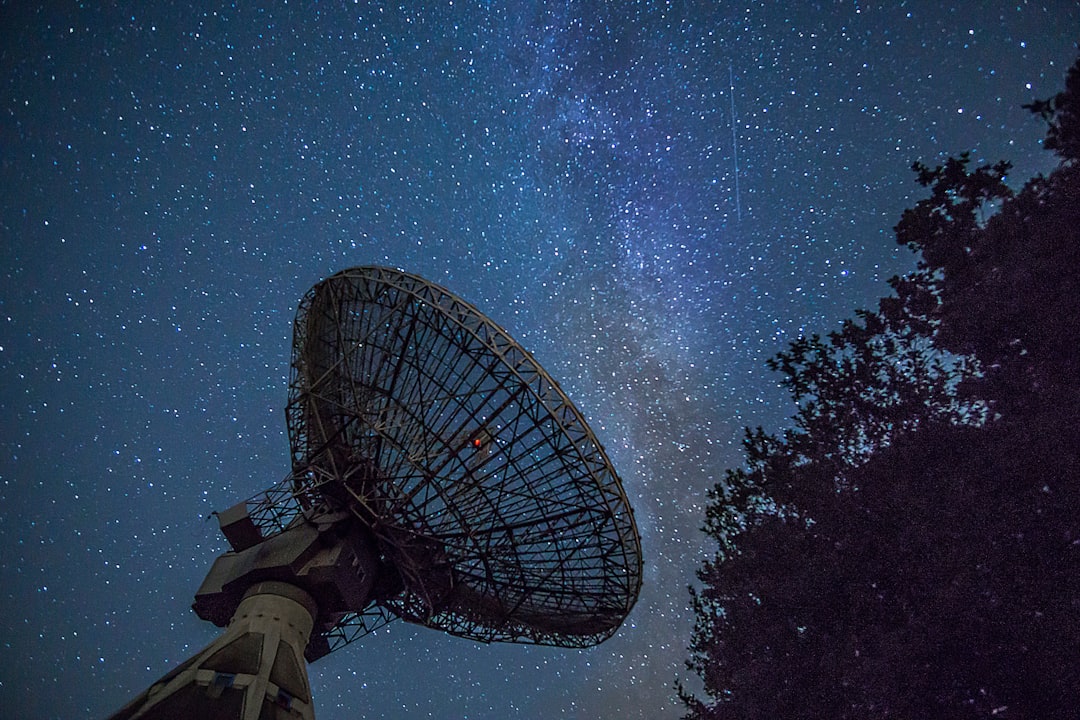
Trying to watch an important news broadcast only to have the signal drop out is frustrating. UHF antennas are built to catch high-frequency signals, which makes them crucial for picking up digital TV and other wireless transmissions. These antennas work well in cities where tall buildings block lower frequency waves, helping maintain a steady connection to your favorite channels. Understanding how your antenna performs starts with knowing about gain and radiation patterns. Gain indicates how effectively an antenna converts power into radio waves in a particular direction. A high-gain antenna can pull in signals from farther away but often needs to be aimed carefully at the signal source. Radiation patterns show whether the antenna focuses in one direction or picks up signals from all around. For example, unidirectional antennas concentrate on a single source, while omnidirectional types gather signals from every angle. Picking the right type depends on your setup and where you live.
Installation makes a big difference. Positioning the antenna higher up, clear of trees or buildings, tends to improve reception dramatically. Many users find mounting antennas on rooftops or poles gives the best results. Using good quality, low-loss coaxial cable between the antenna and your device helps keep the signal strong over longer runs. It’s common to check signal strength with a meter during setup and adjust the antenna’s angle gradually until you find the sweet spot. Without this hands-on tuning, you might get inconsistent reception even with a high-quality antenna.
Consider a small hotel owner who wants to ensure guests can watch TV without interruption. Investing in a suitable UHF antenna and installing it correctly can reduce complaints about poor picture quality and boost customer satisfaction. Similarly, community centers sometimes set up UHF antennas to provide free local broadcasts, helping residents stay informed and engaged without additional costs. These real-world examples show how proper equipment and installation impact user experience directly.
There’s a wide selection of UHF antennas designed for different needs. Compact models fit well in city apartments where space is limited, while larger, high-gain antennas suit rural areas with weaker signals. Some come pre-tuned for specific frequency ranges, which can simplify setup for people who aren’t comfortable with the technical aspects. Also, it’s worth checking the connectors and cable types recommended for each model since mismatched parts can cause signal loss or interference.
Reliable sources online offer detailed specs, installation tips, and user feedback that can guide your purchase decision. For example, you can explore options like uhf antenna products tailored for various environments. These resources often point out common installation mistakes, such as placing an antenna too close to metal objects or routing cable near electrical wiring, both of which can degrade signal quality.
Technology keeps evolving, but UHF antennas remain a straightforward way to ensure clear reception for homes and businesses alike. They support everything from routine TV watching to important communication services without relying solely on internet connections. A practical habit is to periodically inspect your antenna setup, especially after storms or strong winds, since physical shifts can throw off alignment and reduce performance.
Understanding what makes an effective UHF antenna setup takes time but pays off in reliable access to broadcasts. Checking product details carefully, matching components correctly, and fine-tuning placement all contribute to better results. If you want to review more about antenna options or related communication gear, visit antenna installation advice for useful information and guidance.