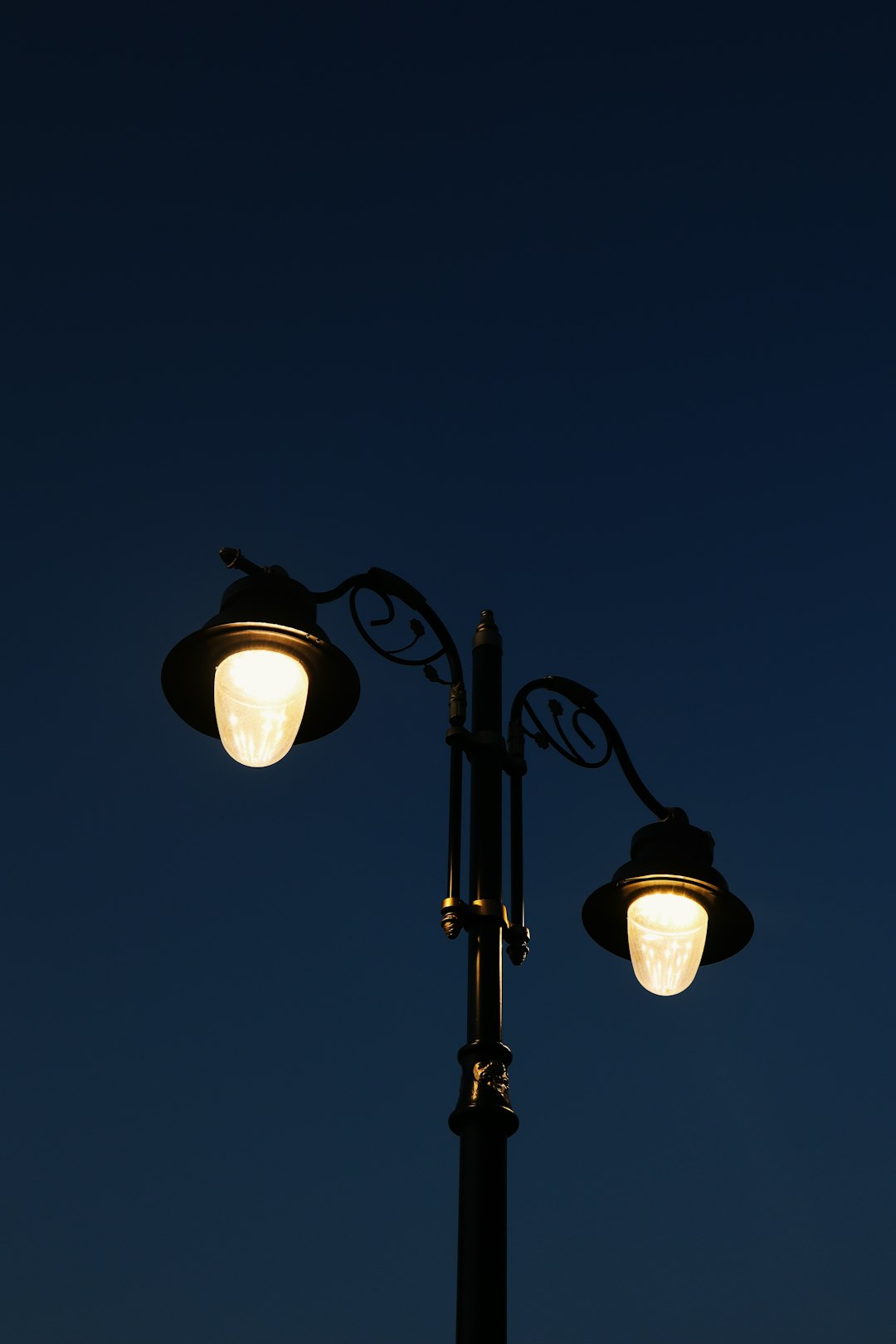

AS/NZS 1158 sorts roads into categories based on traffic volume, speed, and surroundings. Highways need brighter, more evenly spread light than quiet residential streets. This classification directs the right light intensity and beam patterns to reduce glare and improve visibility without blinding drivers or wasting energy.
One key aspect is the uniformity ratio, which measures how evenly light spreads across the road surface. A high uniformity ratio means fewer dark patches and no sudden bright spots that can distract or confuse drivers. Uniform lighting is especially important near crosswalks or bus stops where pedestrians might appear unexpectedly.
Energy efficiency gets plenty of attention under these standards. LED technology is encouraged because it lasts longer and consumes less power than older bulbs. LEDs also offer better control over light distribution. Switching out outdated fixtures for LEDs can cut energy bills and reduce maintenance visits, a practical win for councils and businesses alike.
For commercial properties like shopping centre car parks, adhering to AS/NZS 1158 isn’t optional. Proper lighting ensures customers feel safe coming and going after dark. Neglecting this can result in accidents or complaints that cost more than upgrading the lights in the first place.
Maintenance is often overlooked once systems are installed. But regular checks are vital. Lights fail or get misaligned over time, which can create hazardous spots. A simple monthly inspection routine helps catch issues early, preventing costly repairs and ensuring continuous compliance.
Understanding how to apply these standards is invaluable for engineers, planners, and property managers. The guidelines cover everything from pole spacing to allowable glare thresholds. For instance, mounting height affects both coverage and glare, so it’s worth checking the relevant tables before installation. Also, documenting your lighting design decisions in a maintenance log can save headaches when audits occur.
As urban areas grow, lighting demands change too. Staying updated on AS/NZS 1158 revisions helps keep safety standards current. If you need detailed information about these requirements, check out AS/NZS 1158 lighting for roads.
Good lighting isn’t just about bright bulbs; it’s about smart design, careful installation, and ongoing upkeep. For insights on managing electrical work related to road lighting and public spaces, visit electrical services in perth.