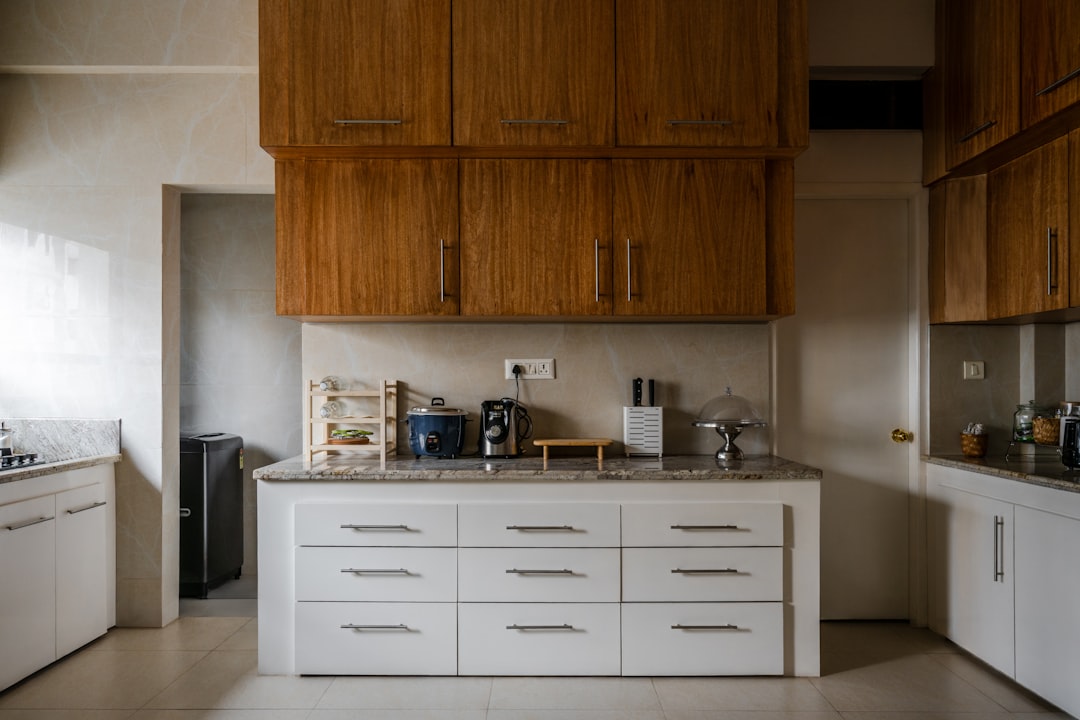
Walking into a kitchen that feels brand new doesn’t always mean a full remodel. Cabinet refacing offers a practical way to update your space by replacing cabinet doors and drawer fronts while keeping the existing boxes. This method saves money and cuts down on waste since the original cabinet framework stays put. It’s an option that often gets overlooked because people assume it limits design choices, but that isn’t the case. You can pick from a large range of styles, colors, and finishes to suit your personal style and your home’s character.
Many homeowners worry that refacing means settling for bland or cookie-cutter results. In truth, the variety is wide. Think wood veneers with visible grains for a rustic vibe, or smooth laminates for a sharp, modern look. Some even mix materials for texture contrast. A practical tip: measure everything twice before ordering to avoid delays or misfits, a common hiccup that can slow projects down.
Hardware choices have a surprisingly big impact on the final appearance. Switching out knobs and handles can completely alter the feel of your cabinets. Vintage-style pulls often complement farmhouse kitchens, while slim, minimalist handles suit urban, contemporary spaces. It’s worth spending time selecting hardware that fits the overall design rather than just grabbing the cheapest option. Many installers will recommend testing hardware samples alongside door finishes to see how they work together under your kitchen’s lighting.
Cost is often the first concern. While refacing isn’t the cheapest fix, it tends to be more affordable than tearing out cabinets entirely. The quality of materials matters here. Opting for mid-grade veneers or laminates can deliver durability without hefty price tags. Professionals usually suggest factoring in installation costs upfront because improper fitting can cause doors to misalign, leading to extra expense down the line. Getting a clear written quote helps avoid surprises.
If you’re thinking about cabinet refacing, visiting a showroom or scheduling a consultation is useful. You’ll get to see material samples and discuss ideas with someone who understands the practical limits and possibilities of your space. These sessions often highlight details you might not have considered, like how cabinet door thickness affects hinge choices or how certain finishes hold up better against kitchen humidity.
Beyond just doors and drawers, consider adding functional accessories during the refacing process. Pull-out shelves, lazy Susans, and built-in dividers can transform cramped cabinets into organized storage zones. These features improve accessibility and make daily cooking tasks smoother. Many kitchens suffer from clutter because owners don’t optimize interior cabinet space; addressing this during refacing saves hassle later.
For more information on cabinet refacing and how it could refresh your kitchen without extensive remodeling, check out kitchen countertops hamilton. If you want tailored advice or have specific questions about starting your project, don’t hesitate to reach out for help. Talking directly to professionals can clarify what options suit your budget and style.
To explore additional upgrades that might complement your cabinets, visit kitchen storage improvements guide. Understanding these elements together ensures any update you make fits cohesively with the rest of your kitchen’s function and design.
Refacing cabinets offers a path to a refreshed kitchen without the upheaval of demolition. With careful planning, attention to detail, and smart accessory choices, you can create a space that feels renewed and works better for everyday life.