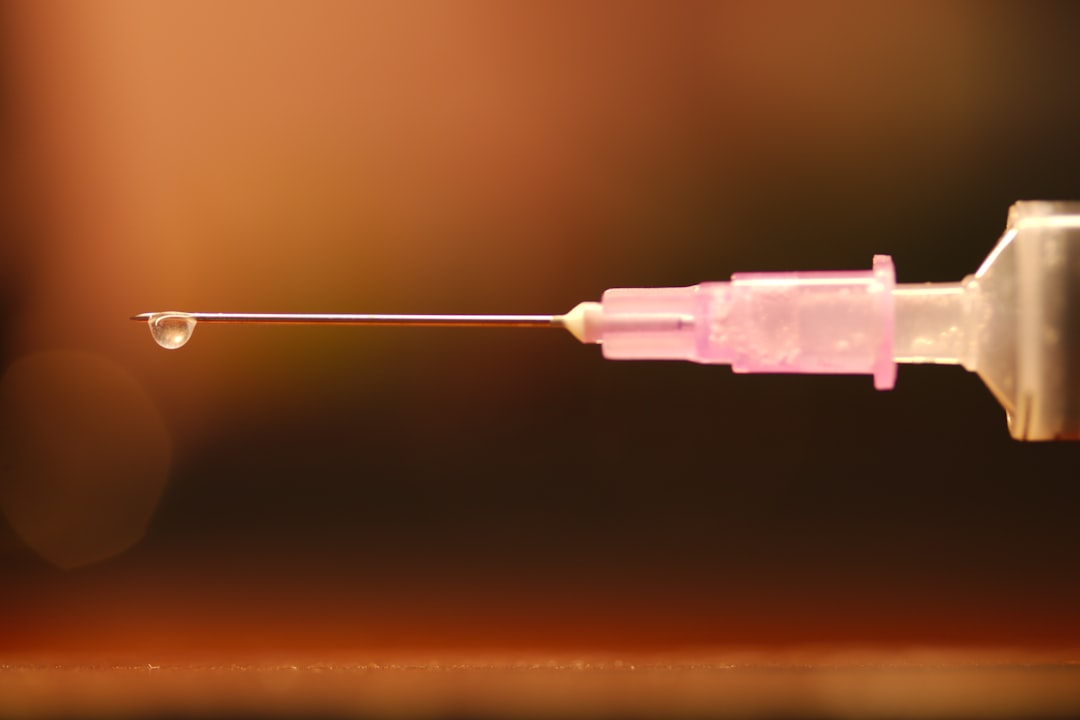

Dry needling uses very thin needles inserted into muscle trigger points, tight, knotted spots that cause localized pain or refer discomfort elsewhere. For example, tight neck muscles can contribute to recurring headaches. By releasing these knots, dry needling encourages muscle relaxation and eases tension, which can make a real difference in symptoms.
The first step is a detailed assessment by a trained physiotherapist who will locate the problematic areas and plan the treatment. During the session, the therapist inserts needles carefully into the trigger points. People often report a brief, dull ache or twitching sensation when the needle hits the muscle, but this generally fades quickly as the muscle relaxes. Some feel hardly any discomfort at all.
A common question is whether dry needling hurts. There can be mild discomfort during needle insertion, but most patients notice relief almost immediately after. The goal is not to cause pain but to reduce it by loosening tight muscle fibers. Over multiple sessions, many experience increased range of motion and less soreness. Keep in mind that individual pain tolerance varies, so experiences differ from person to person.
How many sessions you’ll need depends on your specific condition and how your body responds. Some find improvement after a single treatment, while others benefit from several treatments spaced over weeks. Staying in touch with your therapist helps adjust the plan and track progress.
Dry needling is often confused with acupuncture, but they are not the same. Acupuncture comes from traditional Chinese medicine focusing on balancing the body’s energy flow. Dry needling targets muscle dysfunctions identified through Western medical principles. Knowing this distinction helps you make informed choices about which approach suits your needs.
If you’re considering dry needling, talk to a qualified physiotherapist who understands your situation. Clinics often offer consultations where you can raise questions and explore how dry needling falcon could fit into your recovery plan. It’s normal to feel uneasy if you dislike needles; discussing these feelings openly helps your therapist find ways to ease your anxiety during treatment.
Physiotherapists typically document each session carefully to monitor changes in muscle tension and note any reactions. This record helps avoid repeating ineffective techniques and ensures treatment evolves with your needs. Patients sometimes misunderstand dry needling as a quick fix; however, combining it with stretching or strengthening exercises often leads to better outcomes.
For more information about related therapies and options available in your area, visit muscle pain treatment options. This resource can help you understand complementary approaches that work alongside dry needling for lasting relief.