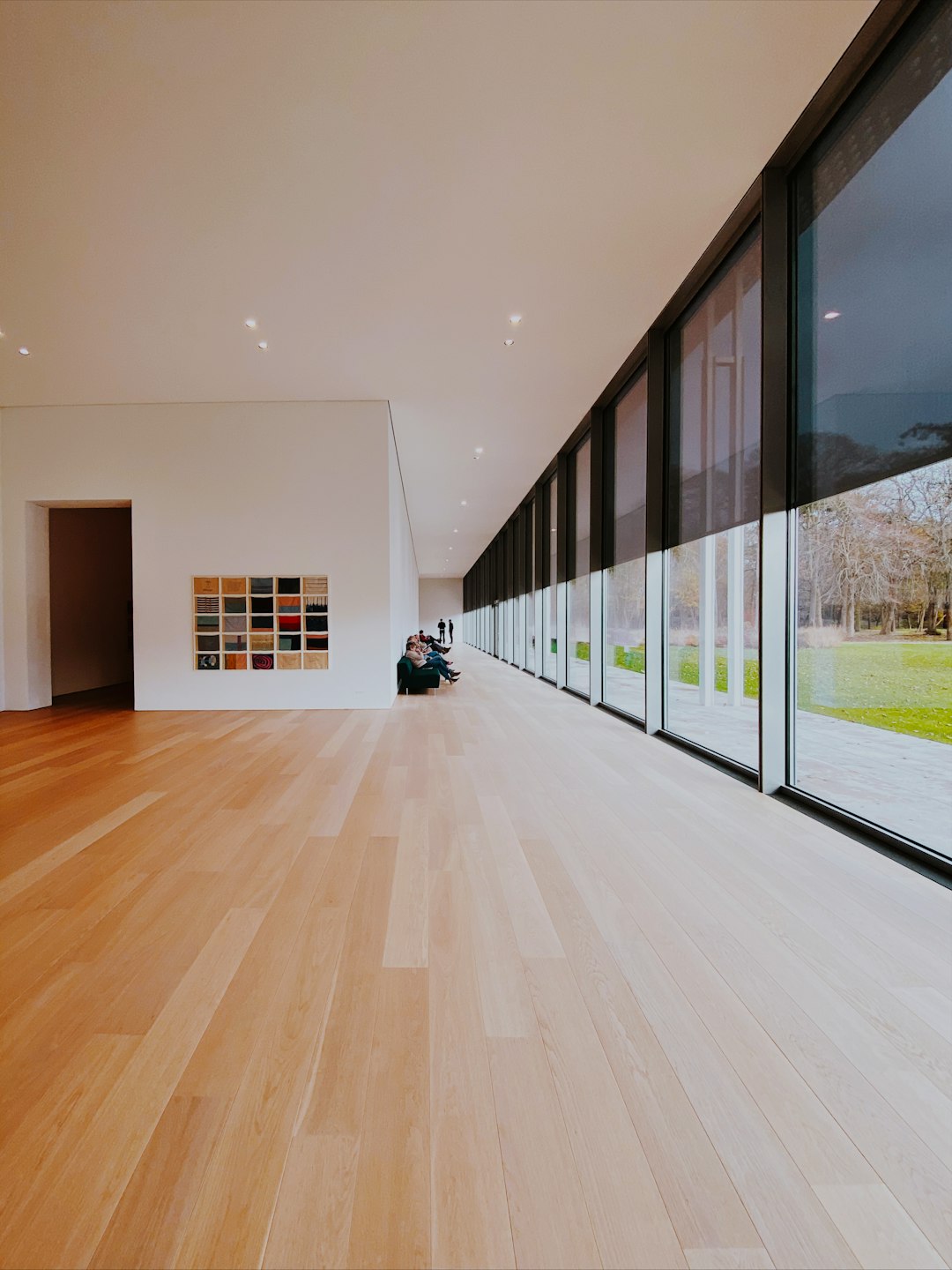
Walking into a room with hardwood floors can change the whole feel of a home. In Maryland, hardwood remains a popular choice because of its natural look and lasting quality. But hardwood flooring isn’t a one-size-fits-all product. There’s often confusion about the types available and which suits different living spaces. Knowing the difference between solid and engineered hardwood can save you time and frustration.
Solid hardwood is made from a single piece of wood, giving it a traditional look and the ability to be sanded and refinished multiple times over decades. It reacts to moisture by expanding and contracting, so it’s best installed in dry areas like living rooms or bedrooms. Basements and bathrooms aren’t ideal unless you take extra precautions to seal it properly. Engineered hardwood, on the other hand, is constructed with layers of plywood beneath a wood veneer. This layered design makes it more stable when humidity swings, a common issue in Maryland homes.
The finish you pick also affects both installation and maintenance. Pre-finished hardwood comes ready to install with stain and sealant already applied at the factory. This speeds up the process and limits dust and mess in your home. Site-finished flooring allows for custom staining and finishing after installation but requires skilled labor and more downtime. Some homeowners prefer the control site finishing offers, but pre-finished floors are often a better fit for quicker projects.
Choosing the right wood species matters as well. Oak is widely favored for its hardness and adaptability; it handles wear and tear well. Maple has a lighter tone that brightens rooms but tends to scratch more easily. Hickory is tougher than both and shows dramatic grain patterns, which appeals to those wanting a rustic look. Each species comes with trade-offs in hardness, grain, and color, so it helps to see actual samples before deciding.
Installation methods vary based on your subfloor and how permanent you want the floor to be. Nailing down hardwood works well over wooden subfloors but requires professional tools and skill. Gluing is common on concrete slabs but adds complexity to repairs down the line. Floating floors use an interlocking system that sits above an underlayment without nails or glue, making them popular among DIYers. However, floating floors can feel less solid underfoot.
When researching hardwood flooring maryland, think about how your choice will perform long term. Consider foot traffic in your rooms, exposure to sunlight, and how much maintenance you’re willing to do. Solid wood can be sanded to fix scratches but might not handle moisture well. Engineered wood resists humidity changes better but usually can only be refinished once or twice.
Caring for hardwood flooring extends its lifespan. Use cleaning products designed specifically for wood floors; harsh chemicals or excessive water can damage the finish and wood beneath. Regularly placing rugs in high-traffic areas prevents wear, especially near entrances or hallways. Also, keeping pet nails trimmed avoids unwanted scratches. These small habits reduce the need for costly repairs.
If you want detailed advice tailored to your home’s conditions, visit hardwood floor installation help. Understanding options beyond just the wood type, like moisture barriers or underlayments, can save headaches later. Taking time upfront to match your flooring with your lifestyle ensures you get a floor that looks great and lasts for years.