
The first step in treatment is a detailed assessment. Your therapist will ask about your medical history and daily activities, then test your hip’s range of motion and strength. They might observe how you walk or squat to spot any irregularities. It’s common for people to underestimate how much muscle tension or small joint restrictions affect their discomfort. Sometimes patients don’t mention past injuries that still impact their hip, so thorough questioning is key.
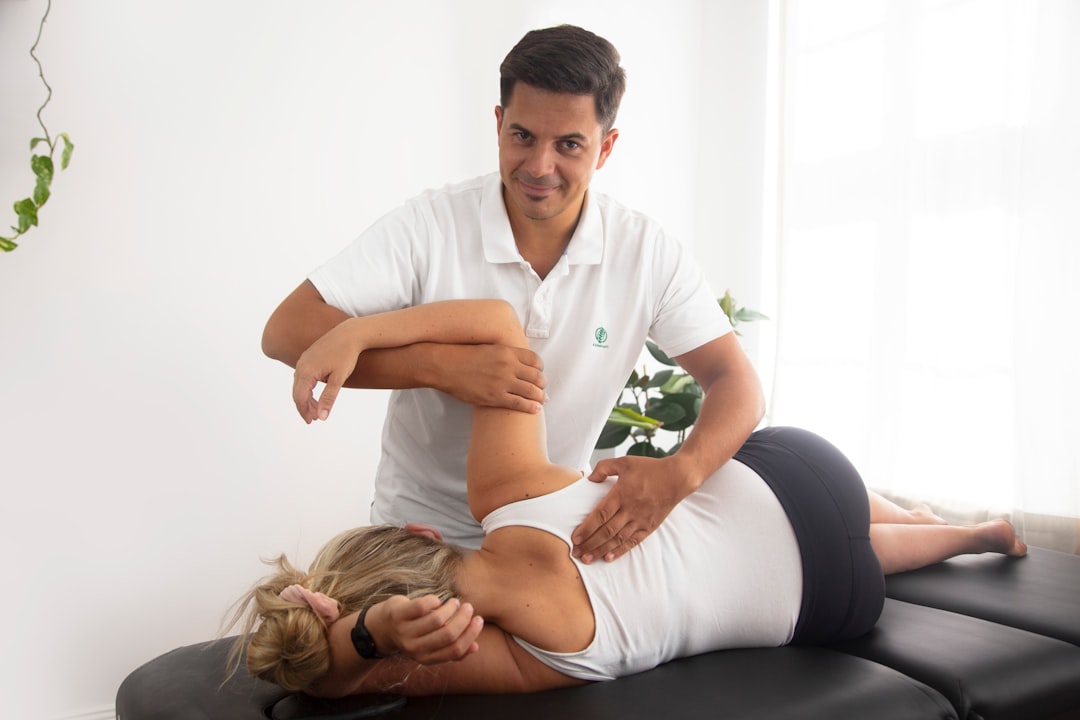
Treatment plans are tailored and often combine hands-on work with exercise. Manual therapy might include deep tissue massage or myotherapy to release tight muscles and fascia around the hip and lower back. These techniques improve blood flow and reduce stiffness. Practitioners also focus on restoring proper joint movement, which may involve gentle mobilisations. Exercises usually aim to strengthen the gluteal muscles and core, areas that support the hip and prevent overloading.
For example, an athlete dealing with post-training soreness might be given specific stretches to open the hip flexors and strengthen stabilizing muscles like the gluteus medius. Someone recovering from surgery could start with low-impact movements, gradually progressing to weight bearing exercises that rebuild function without overstressing healing tissues. Patients often report better outcomes when they keep a simple exercise log, helping them track progress and avoid doing too much too soon.
Knowing when to seek professional advice is important. If your hip pain persists beyond a few days or worsens when you move, don’t wait it out. Swelling, sharp stabbing sensations, or difficulty bearing weight are clear signs to get checked. Early assessment can prevent minor issues from becoming chronic problems. Therapists advise watching for subtle changes, like increased stiffness after sitting or trouble sleeping due to discomfort.
After diagnosis, the therapist will guide you through practical steps to manage your condition daily. This might include adjusting how you sit or sleep to reduce strain on the hip. Home exercises are designed to fit your lifestyle and avoid adding stress elsewhere. You might be advised to apply heat or cold at certain times, depending on inflammation levels. Small habits, like using a cushion when driving or avoiding crossing your legs for long periods, can make a big difference.
Regular hip physio sessions can relieve muscle tightness and joint pain while supporting your recovery from exercise or injury. The goal is not just pain relief but improving how your body handles physical demands. Investing time in these treatments helps maintain mobility and reduces the chance of future setbacks. Whether dealing with persistent discomfort or bouncing back from trauma, these approaches empower you to stay active without constant pain.
Ready to see if our approach suits you? Booking an appointment is straightforward and puts you in touch with professionals who understand hip health nuances. For those wanting more details about treatment options, visit hip physio. You can also find information about our clinic location and hours at .