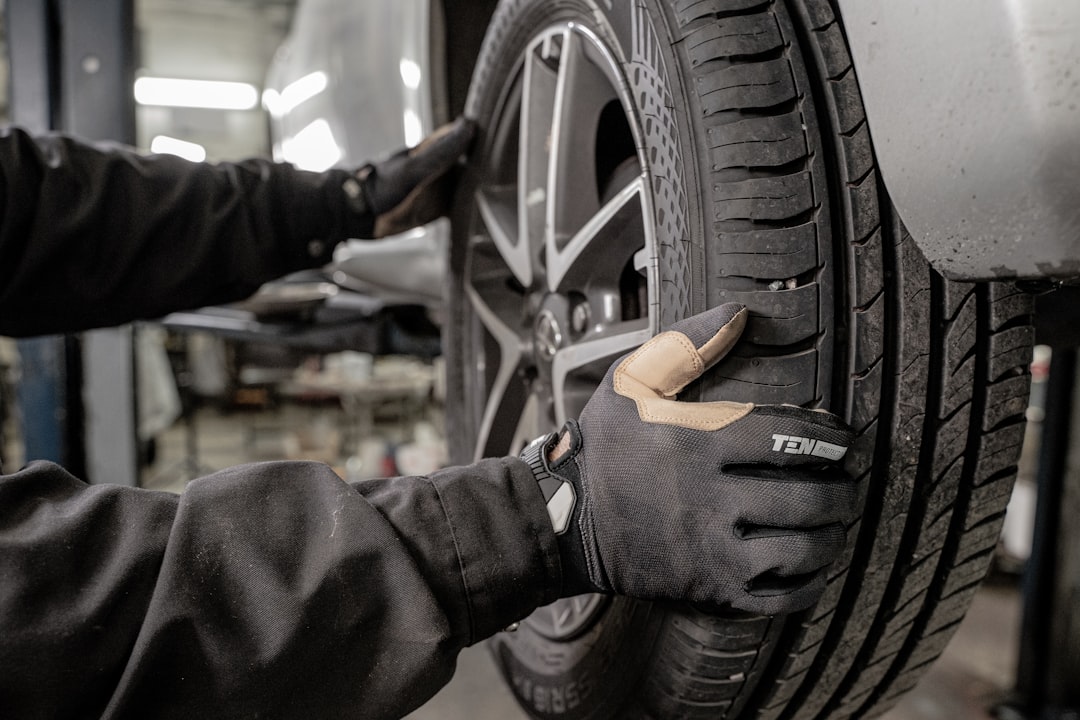
An alignment rack is a fundamental piece of equipment in any automotive repair facility, especially those that handle suspension, steering, and tire services. Designed to elevate vehicles and allow technicians to accurately assess and adjust wheel alignment, these racks play a critical role in ensuring both vehicle safety and performance. Without proper alignment, vehicles can suffer from uneven tire wear, poor handling, and diminished fuel efficiency.
At its core, an alignment rack is a specialized lift system that supports a vehicle while allowing its wheels to move freely during the alignment process. This freedom of movement is essential because wheel alignment relies on precise measurements of camber, caster, and toe angles. By lifting the vehicle and stabilizing it at a comfortable working height, technicians can make these adjustments with greater ease and accuracy. Modern systems often integrate digital measurement tools, turntables, and slip plates to aid in the process.
There are several types of alignment racks designed to accommodate different vehicle sizes and service demands. For instance, some racks are tailored for passenger cars and light trucks, while others are built to handle heavy-duty vehicles such as buses and commercial trucks. These heavy-duty systems are engineered for greater weight capacity and extended platform lengths, ensuring that even the largest vehicles can be serviced safely. An alignment rack designed for such purposes will often include reinforced steel construction and hydraulic systems capable of sustaining high loads over time.
Incorporating an alignment rack into a repair shop’s workflow brings several advantages beyond just accuracy. It increases efficiency by reducing the time needed to lift and position a vehicle for inspection. It also contributes to a safer work environment, as technicians can work on elevated vehicles without needing to crawl beneath them. Additionally, using a dedicated rack for wheel alignment helps prevent damage to the vehicle’s undercarriage and other sensitive components, as the equipment is specifically designed to cradle the frame without stress points.
The benefits of proper wheel alignment are numerous and well-documented. Accurate alignment reduces wear and tear on tires by ensuring they contact the road evenly. This prolongs tire life and improves traction, especially in adverse weather conditions. Moreover, a properly aligned vehicle handles better, with improved steering response and stability. Drivers may also notice better fuel economy, as the engine doesn’t have to work as hard to compensate for misaligned wheels creating drag.
For businesses in the automotive service industry, having access to the right equipment is crucial. Investing in quality lifts and alignment systems not only enhances service capabilities but also builds customer trust. Clients are more likely to return to a shop that delivers consistent, high-quality work, and alignment racks are a key component in achieving that goal. Whether performing routine maintenance or correcting complex suspension issues, these racks provide the reliability and precision needed to get the job done right.
Technological advancements continue to shape the future of alignment systems. Today’s racks may include integrated sensors, automated positioning systems, and wireless communication with alignment computers. These features reduce the potential for human error and streamline the diagnostic process. As vehicles become more sophisticated, with features like adaptive cruise control and lane-keeping assistance, the demand for precise alignment has never been greater. Ensuring that a vehicle’s wheels are adjusted to factory specifications is essential for these systems to function correctly.
In addition to alignment-specific features, shops may choose racks that offer versatility, allowing for general lift use as well. Some systems are designed with modular components that can be upgraded over time, aligning with the evolving needs of a growing business. For those looking to expand their service offerings or improve operational efficiency, exploring high-quality garage equipment and infrastructure is a smart move. A wide range of options, from standard lifts to advanced alignment systems, can be found through specialized equipment providers like this manufacturer of vehicle lifts.
Ultimately, alignment racks are more than just tools—they are an investment in safety, efficiency, and long-term vehicle performance. As automotive technology continues to evolve, the role of precise alignment becomes even more critical, and having the right equipment in place ensures that technicians can meet the challenges of modern vehicle maintenance with confidence.