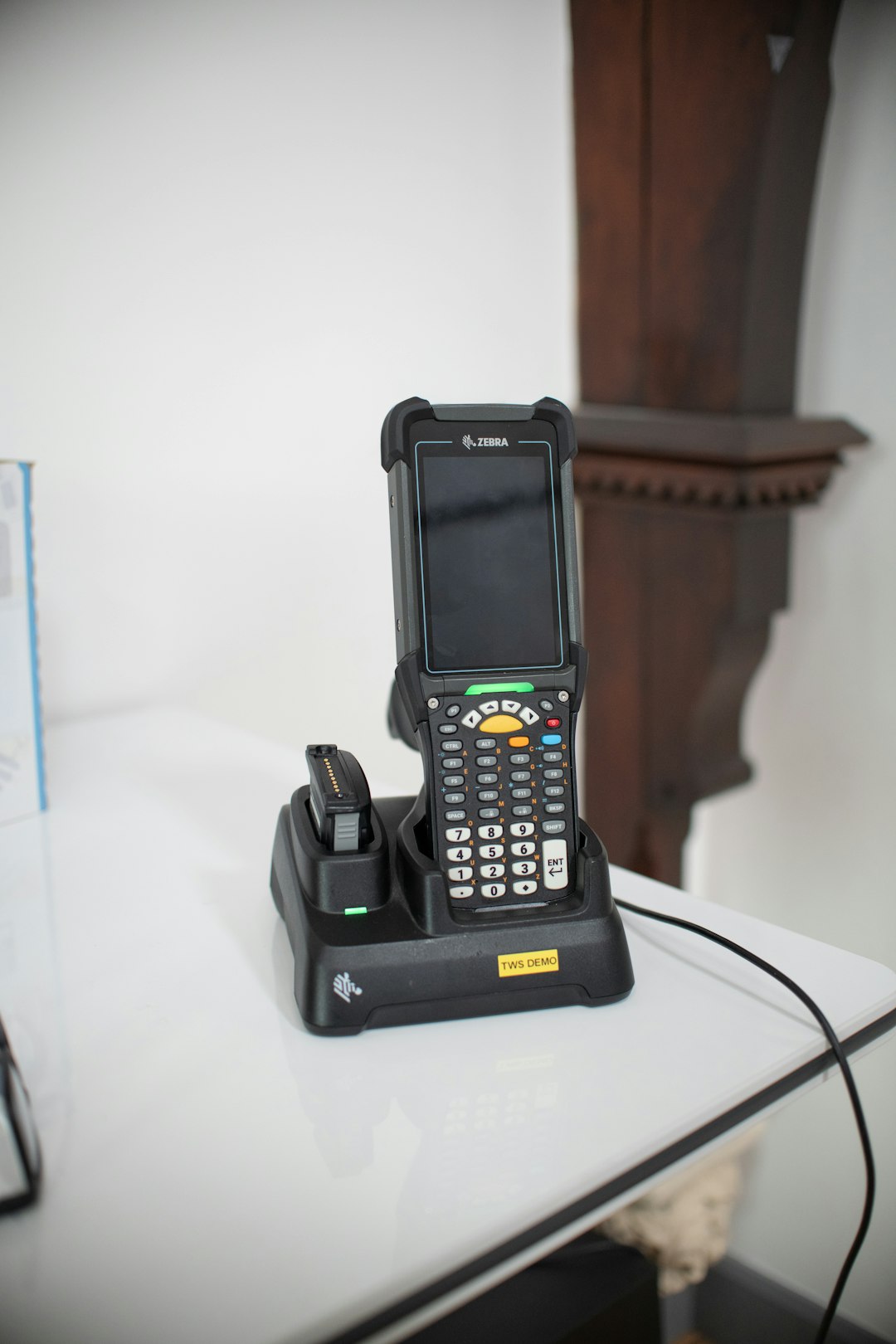

Manufacturing floors demand precise inventory tracking without slowing down production. Workers use wireless barcode scanners to record items as they leave the assembly line or enter storage. This real-time data eliminates manual stock counts that often cause delays or inaccuracies. Operators often keep scanners attached to belts or mounted on carts for quick access during shifts. Consistent scanning routines ensure materials are accounted for, reducing waste from misplaced parts or expired goods. Managers typically review daily scan logs to spot discrepancies early and prevent costly production halts.
Retail environments rely on speedy checkouts to keep customers content. Wireless barcode scanners empower self-service kiosks where shoppers scan their own items, cutting down queue times. This shift frees employees to assist customers on the floor rather than being stuck at registers. Retailers find that clear signage and intuitive scanner placement encourage more customers to use self-service options effectively. Store staff often perform regular maintenance on scanners to avoid downtime during peak hours. Faster checkout translates into improved customer satisfaction and often boosts repeat visits.
The adaptability of wireless barcode scanners extends across many fields. In hospitals, specialized medical tool readers track surgical instruments before, during, and after procedures to prevent errors and comply with regulations. Labeling each instrument with a barcode and scanning it multiple times ensures nothing is left inside a patient. Similarly, self-service POS kiosk scanners provide a quick way for shoppers who prefer minimal interaction. This flexibility allows businesses to tailor their scanning hardware to specific needs while streamlining operations.
Technically, many wireless barcode scanners use advanced imaging sensors capable of reading both 1D and 2D barcodes, including QR codes on mobile devices. Bluetooth connectivity is common, allowing data transmission without cables, which enhances mobility in busy settings like warehouses or clinics. Ergonomic designs reduce strain during repetitive scanning tasks, a practical feature appreciated by workers who scan hundreds of items daily. Some models offer customizable buttons and adjustable angles for better handling. Regular firmware updates improve scanner accuracy and compatibility with evolving software systems.
Choosing the right technology requires understanding exact business requirements and how new tools fit existing workflows. For example, integrating barcode scanner devices with inventory software demands compatibility checks to avoid data loss or syncing issues. Training staff on proper scanning techniques prevents common errors such as misaligned scans or skipped items, which can lead to inventory mismatches or billing problems. Implementing routine calibration schedules also keeps scanners reliable over time.
As industries adapt, the need for dependable scanning tools grows alongside operational demands. Businesses that invest in barcode scanning technology position themselves to react quickly to changing market conditions and customer expectations. This adaptability can make the difference between staying competitive or falling behind in sectors where accuracy and speed are critical.
Exploring options like warehouse inventory tracking devices helps companies find equipment suited for specific tasks, whether it’s managing stock in a distribution center or speeding retail checkouts. Practical details matter, like ensuring scanners have durable casings for tough environments or battery life that lasts entire shifts without recharging. Staff familiarity with device features also reduces downtime caused by user mistakes or technical glitches.
Ultimately, wireless barcode scanners bring real-world benefits by simplifying data capture and reducing human error across healthcare, manufacturing, and retail settings. Their role in enhancing safety protocols, inventory accuracy, and customer experience makes them a valuable piece of equipment worth careful consideration.