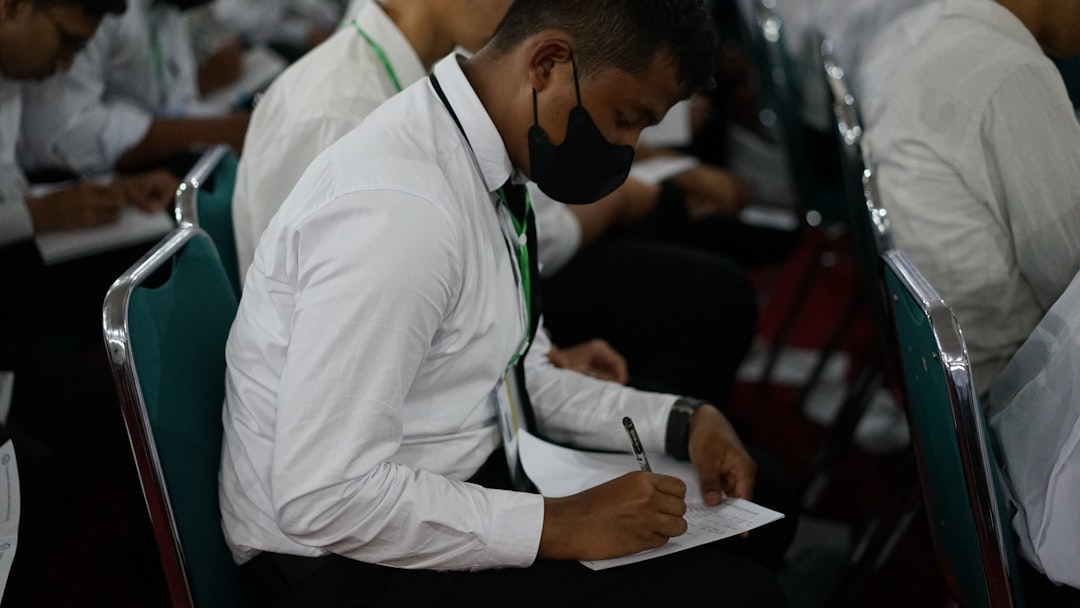
Work based learning is gaining momentum as a practical approach to education that blends academic instruction with real-world experience. It offers students the opportunity to connect classroom knowledge with hands-on application, preparing them more effectively for future careers. As the job market evolves, traditional learning methods alone often fall short in equipping students with the skills employers demand. Work based learning addresses this gap by fostering critical thinking, problem-solving, and workplace readiness through immersive experiences.
This learning model takes many forms, including internships, apprenticeships, mentorship programs, and project-based assignments. Each format enables students to explore career interests, build professional networks, and gain insights into workplace expectations. Students are not just observers; they become active participants, applying what they learn in school to real-world challenges. Through this process, they develop both technical competencies and essential soft skills like communication and teamwork.
One of the key strengths of work based learning is its adaptability. Programs can be tailored to meet the needs of different industries, educational levels, and learning objectives. High school students might engage in short-term job shadowing experiences, while college students could take on more intensive internships. The flexibility of these programs means they can be scaled and customized, making them accessible to a wide range of learners.
Employers also benefit significantly from participating in work based learning initiatives. By collaborating with educational institutions, they can identify and nurture future talent, influence curriculum development, and contribute to the community. These partnerships create a pipeline of skilled workers who are familiar with the company’s culture and operations, often resulting in higher retention rates and reduced hiring costs.
Technology plays a crucial role in expanding access to work based learning. Virtual platforms and digital tools enable remote mentorship, virtual internships, and online project collaboration. This technological integration is particularly valuable in reaching students in rural or underserved areas, ensuring that geography does not limit opportunity. For more information on how technology is shaping experiential education, visit this experiential learning platform that supports institutions and learners alike.
As educational systems look to produce graduates who are career-ready, work based learning stands out as a strategy that aligns academic goals with labor market needs. By bridging the gap between theory and practice, it empowers students to transition confidently into the workforce and adapt to changing professional environments.