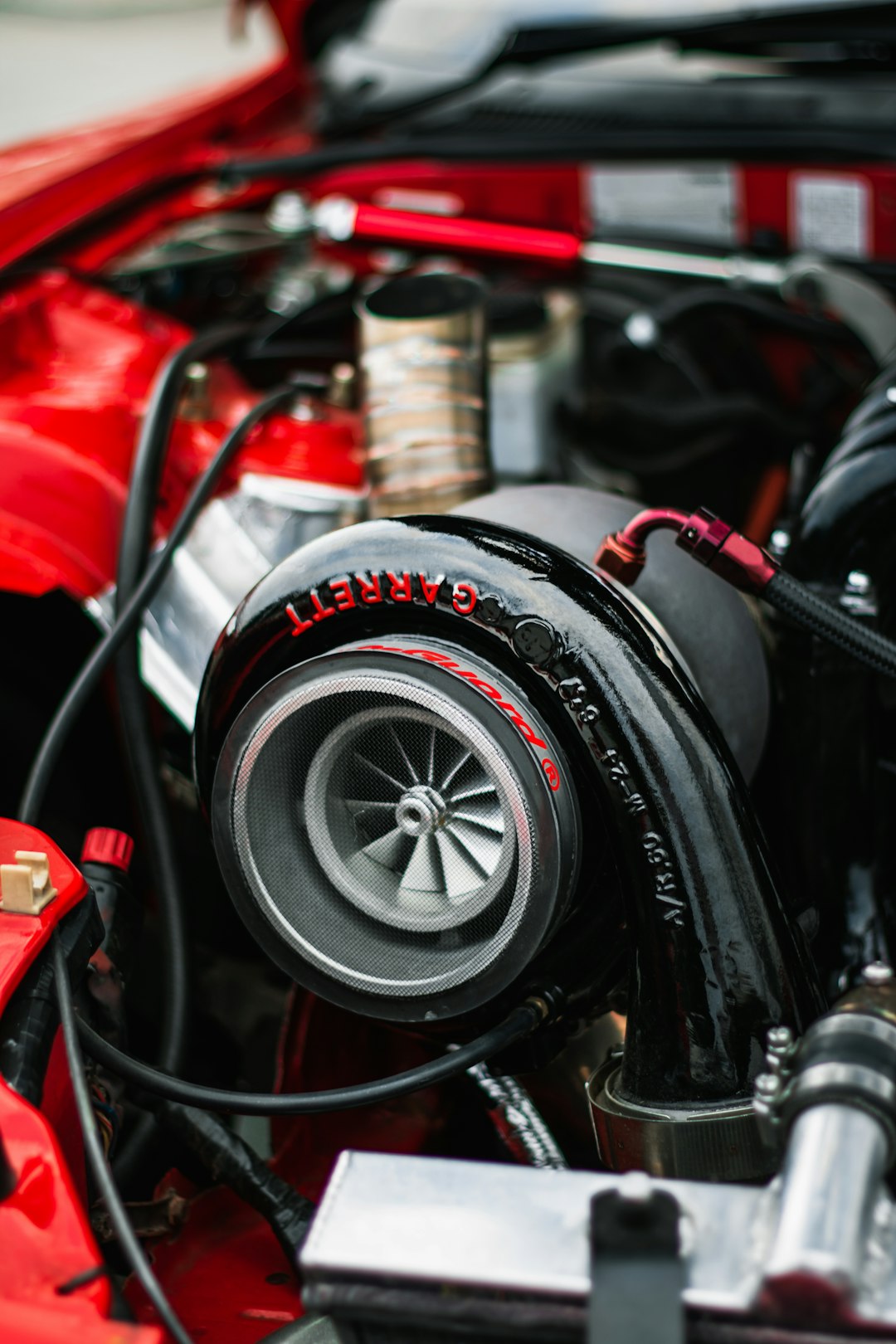

Technical details matter a lot here. The G Series II turbos utilize AERO technology, which improves airflow management inside the compressor housing. This results in better throttle response and efficiency, especially noticeable at low to mid RPMs where some turbos tend to lag. A tuning shop owner might recommend the G30 for clients who want a balance between daily drivability and track readiness, as it handles transient throttle changes well without sacrificing power delivery.
Airflow capacity is another key factor. Larger turbos like the G45 and G55 can support builds that exceed 600 horsepower by allowing much greater volumes of air. These are ideal for race cars or heavily modified engines, but they usually don’t spool as quickly at lower RPMs. Shops often take this into account when tailoring turbo solutions, ensuring customers get the best match for their engine setup and driving habits.
Installation details can’t be ignored either. Each G Series II turbo requires specific supporting upgrades, such as properly sized intercoolers and exhaust components, plus a suitable tune to optimize performance. For example, if a vehicle already has upgraded intake piping and intercooling, pairing it with a G35 can maximize existing mods without needing extensive additional work. This saves time and avoids common pitfalls like mismatched airflow that causes lag or poor throttle response.
Performance under different conditions also influences choice. Street drivers might prioritize quicker spool and smoother power curves, making smaller turbos more appealing. Track enthusiasts who demand sustained high boost might favor the durability and flow of bigger models like the G42, which performs consistently across varied RPM ranges and driving scenarios. It’s not unusual for workshops to test-fit multiple options before finalizing a recommendation to ensure the customer’s expectations align with real-world results.
The G Series II lineup deserves careful study before committing. Talking with experienced tuners or suppliers can provide practical advice tailored to your specific engine and goals. They often draw on detailed dyno data and firsthand feedback from previous builds, which helps avoid common mistakes like overestimating spool times or underestimating cooling needs.
Understanding your priorities, whether that’s reducing turbo lag, achieving a target horsepower range, or simplifying installation, will guide your decision. It’s a good idea to review technical specs, compare compressor maps, and confirm compatibility with your vehicle’s existing setup. Also, watch out for mismatched parts that can cause boost leaks or tuning headaches down the line. For additional information on various models in this series, check out turbocharger upgrade options that cover specs and user experiences in detail.