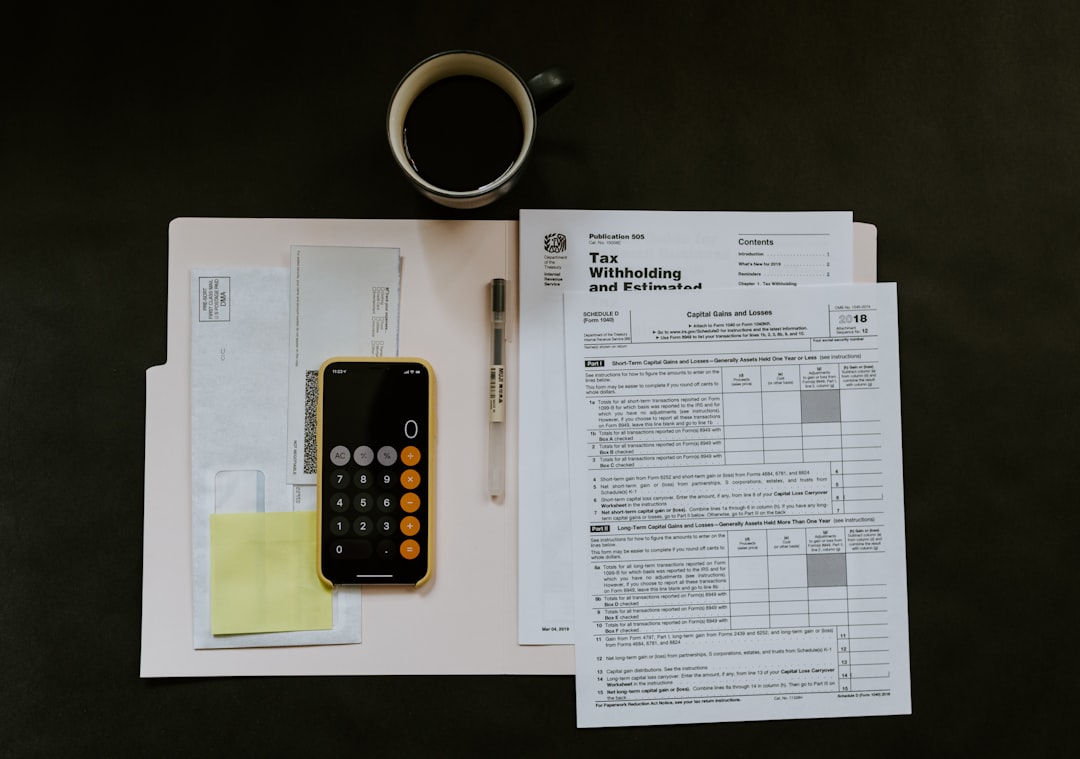

An Australian tax calculator factors in your income, deductions, and residency status. Income brackets determine your tax rate, and deductions like work expenses, donations, or investment losses reduce your taxable income. For example, if you keep receipts for work-related travel or equipment, including these can lower your tax bill. Inputting these details into the calculator helps avoid surprises when you lodge your return.
Take a freelance graphic designer who earned well above the tax-free threshold this year. They likely bought software subscriptions and office supplies, which count as deductible expenses if properly documented. Using the calculator, they can see how much of their income is taxable after deductions and get an estimate of their refund.
People renting out property should be aware that landlords have specific deductions available. Costs such as property maintenance, council rates, and depreciation on fixtures can reduce taxable income. A detailed calculation with a tax return calculator helps landlords understand their tax position better and plan accordingly.
Residency status affects your tax return. Residents and non-residents face different tax rules and thresholds. Providing accurate residency information to the calculator is crucial because claiming incorrect status can lead to errors in your estimated refund. Double-check your details against official guidelines before finalising your inputs.
Tax laws change regularly. Using an up-to-date calculator ensures estimates reflect current rates and rules. It’s common for people to overlook recent changes to deductions or thresholds, which can lead to inaccurate calculations. Consulting with tax agents can clarify these updates and help you claim everything you’re entitled to.
For those wanting to dive deeper, using a tax return calculator can make the process less daunting. It breaks down complex tax rules into manageable steps tailored to your finances. Many users find it useful to review their previous year’s Notice of Assessment while entering details to avoid missing items or misreporting income.
A good habit is organizing all relevant documents before starting your tax estimate, payment summaries, receipts for deductions, and bank statements. Misplacing a receipt or forgetting a small income source like dividends often causes rework or delays during filing.
If you need more detailed guidance on Australian taxation, the website personal tax help services offers resources to assist with various tax questions. Reliable information helps you avoid costly mistakes and keeps you informed about your obligations.